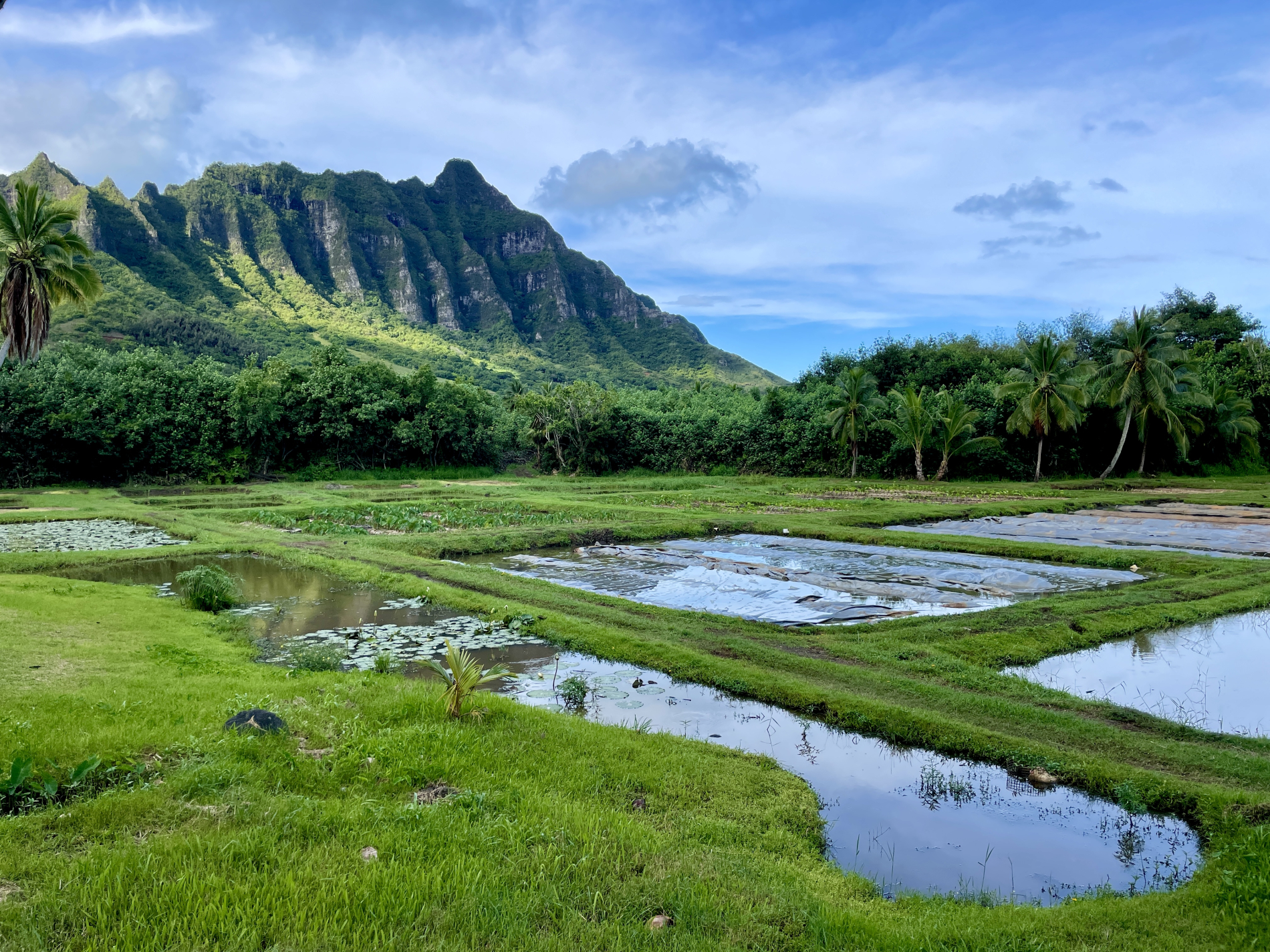
When the world shifted to digital, many assumed it would automatically become more sustainable, no more film rolls, no chemical baths, no wasted paper, just pixels and hard drives. Yet the reality is a little more complicated.
Digital cameras, lighting equipment, and studio technology are made from plastics, glass, and rare metals such as gold, silver, copper, and aluminium. Their production involves mining, chemical processing, and global shipping, all with environmental costs. Leading brands, including Canon, are investing in energy-efficient production lines and waste-reduction initiatives, yet large-scale manufacturing still leaves a considerable footprint.
So how can commercial photographers and production teams reduce their own impact? Sustainability can be built into every stage of production, from planning and logistics to lighting, styling, and post-production, without compromising on creativity or quality.
Plan with Sustainability in Mind
A greener production starts long before the camera rolls. Consolidating shoot days and locations helps cut down on travel, while hiring local crews, models, and suppliers can drastically reduce transport emissions. Planning daylight shoots where possible lowers energy use, and sharing production schedules digitally instead of printing keeps waste to a minimum. These small organisational habits set the tone for a conscious, efficient shoot.
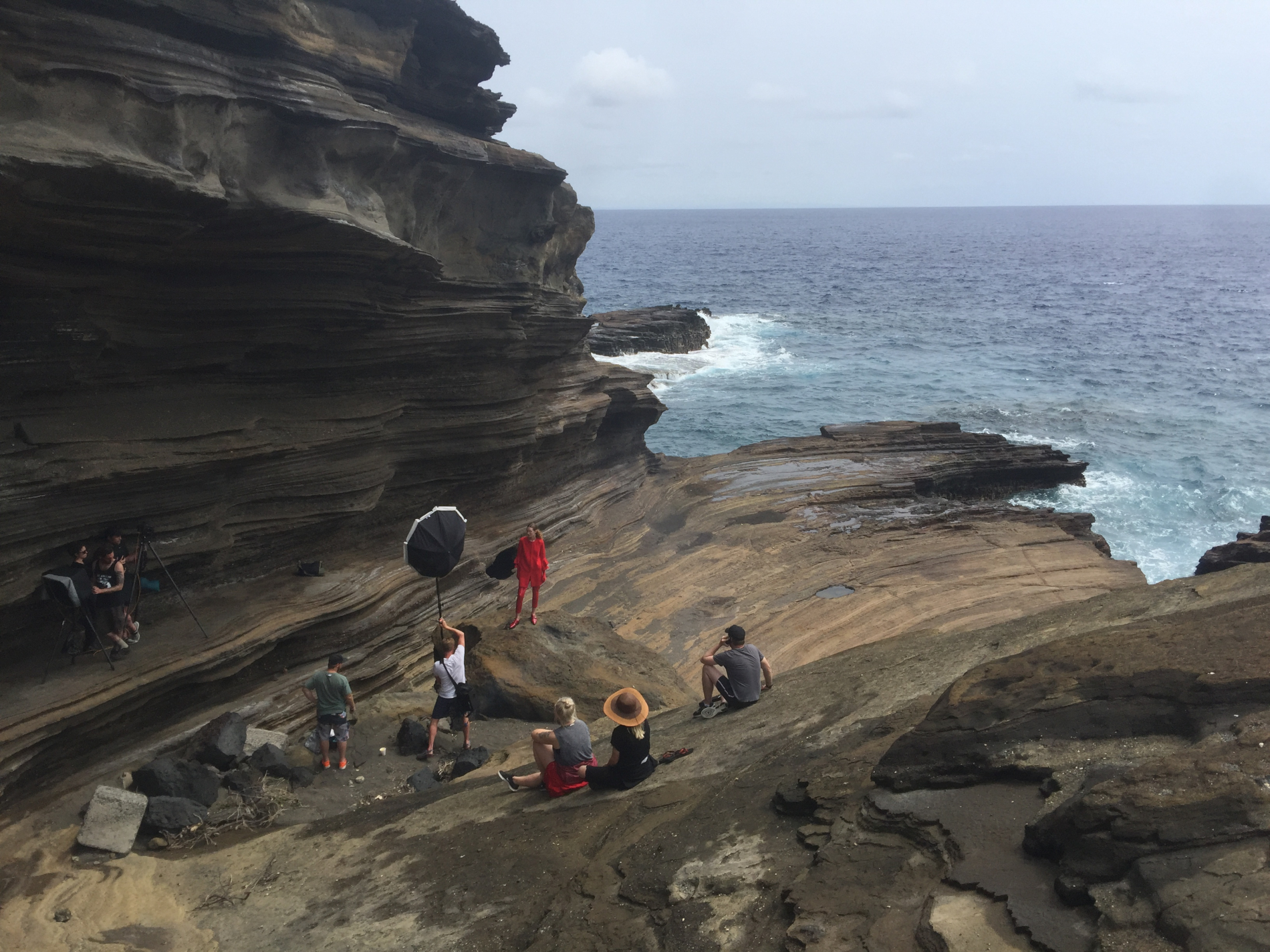
Choose Sustainable Locations and Sets
Building sustainability into your workflow also means rethinking where and how you shoot. Reusing existing locations rather than building new sets saves both materials and time. Props, furniture, and decor can be rented or repurposed, while eco-certified or second-hand suppliers help reduce waste. Partnering with studios and set designers who already implement sustainable practices makes the process even smoother. And when it comes to equipment, the same principle applies. Platforms like MPB make it easy to buy or sell used cameras and accessories responsibly, extending their lifespan and reducing unnecessary manufacturing.
Go Energy-Efficient
Energy use is one of the biggest factors in production sustainability. Switching to LED or low-energy lighting, turning off idle equipment between takes, and choosing battery packs powered by renewable energy all make a noticeable difference. When working in studios, it’s worth asking about their energy providers, some already operate entirely on renewables. Studios that rely on natural light and energy-efficient infrastructure not only reduce consumption but often create more visually interesting results.
Reduce On-Set Waste
Sustainability extends beyond lighting and logistics, it’s also about how you manage the space you work in. Banning single-use plastics and providing filtered water with reusable bottles or cups is a simple first step. Compostable catering materials and food donation initiatives can ensure that meals don’t go to waste. Clearly labelled bins for recycling and composting keep sets organised and environmentally responsible. Even small measures like minimising packaging in deliveries can have a meaningful cumulative impact.

Rethink Wardrobe and Styling
Fashion and photography are deeply connected, and both can contribute to a more sustainable industry. Working with wardrobe rental services or sustainable fashion brands is an easy way to reduce waste. Vintage, upcycled, or ethically sourced garments often add unique character to a shoot while aligning with eco-conscious values. After the shoot, returning or donating clothing helps close the loop. Larger campaigns can also highlight their sustainable wardrobe choices in behind-the-scenes content to inspire others.
Green Your Production Logistics
Transport is one of the most significant sources of emissions in commercial production. Encouraging carpooling or using electric vehicles for crew and talent transport can drastically reduce your carbon footprint. Unavoidable travel can be offset through verified carbon programmes, while digital call sheets, permits, and mood boards remove the need for printed materials altogether. Streamlining shipments and consolidating deliveries not only saves fuel but also simplifies logistics.

Post-Production and Digital Sustainability
Sustainability doesn’t stop once the cameras are packed away. In post-production, adopting energy-efficient storage and data practices can greatly reduce your environmental impact. Storing files in green data centres, compressing large images before sending them to clients, and archiving selectively are all effective ways. Even small adjustments, such as reducing rendering time or working with efficient retouching workflows, can save significant energy without affecting creative output.
Your Files Aren’t as Light as They Seem
Every image stored online carries an invisible environmental cost. As file sizes and resolutions continue to increase, so does the energy required to store and process them. Each uploaded photo, backup, or raw file stored in the cloud contributes to the power demands of massive data centres, most of which still rely on non-renewable energy sources.
Cloud storage is convenient, but it’s worth using it mindfully. Keep only what you need, delete duplicates, and compress large files before uploading. Using external hard drives or local storage systems can further reduce reliance on energy-intensive cloud servers, just remember to maintain regular backups.
Optimising your images before sending them out also helps. For instance, Production Paradise encourages photographers to provide high-quality but efficient images that don’t overload servers. Smaller file sizes not only load faster for clients but also help minimise your digital footprint.

Work with Eco-Conscious Partners
Sustainability in photography is a collective effort. Collaborating with studios, agencies, and suppliers that have clear environmental policies strengthens your own impact and builds a network of responsible professionals. From transport providers to caterers, choosing partners who prioritise sustainability sets a strong industry example. Highlighting these partnerships in campaign credits or on social media encourages others to follow suit. You can also showcase your sustainable projects in Production Paradise’s Spotlight Magazines, connecting with global brands that value responsible production.
Here are just some of the members of the Production Paradise family already putting it into practive, from cutting waste on set to choosing smarter travel options, these creatives are proving that sustainability and high-end work can go hand in hand: IDC Photographers, VGBND, Blue Amber, CaixaPro, JPPS, 2DM, Cape Town Production, 1806 agency, and Hana Productions.
If you want to discover more teams already working with greener production practices, have a look at the Green The Bid directory, they’re a community and resource hub helping the advertising and production world shift to more sustainable practices.
Commercial photography thrives on creativity, collaboration, and innovation, all qualities that align naturally with sustainability. Every decision on set, from lighting to logistics, offers a chance to create consciously and waste less without sacrificing artistic integrity.
For more insights into the intersection of creativity and responsibility, read Insights on the Compatibility of Fashion and Sustainability by Spotlight Awards Judge Nicole Hardt, and stay ahead of the curve with Top 5 Photography Trends to Watch in 2025.
Header Image: Hana Productions
Thumbnail Image: Stuart Conway