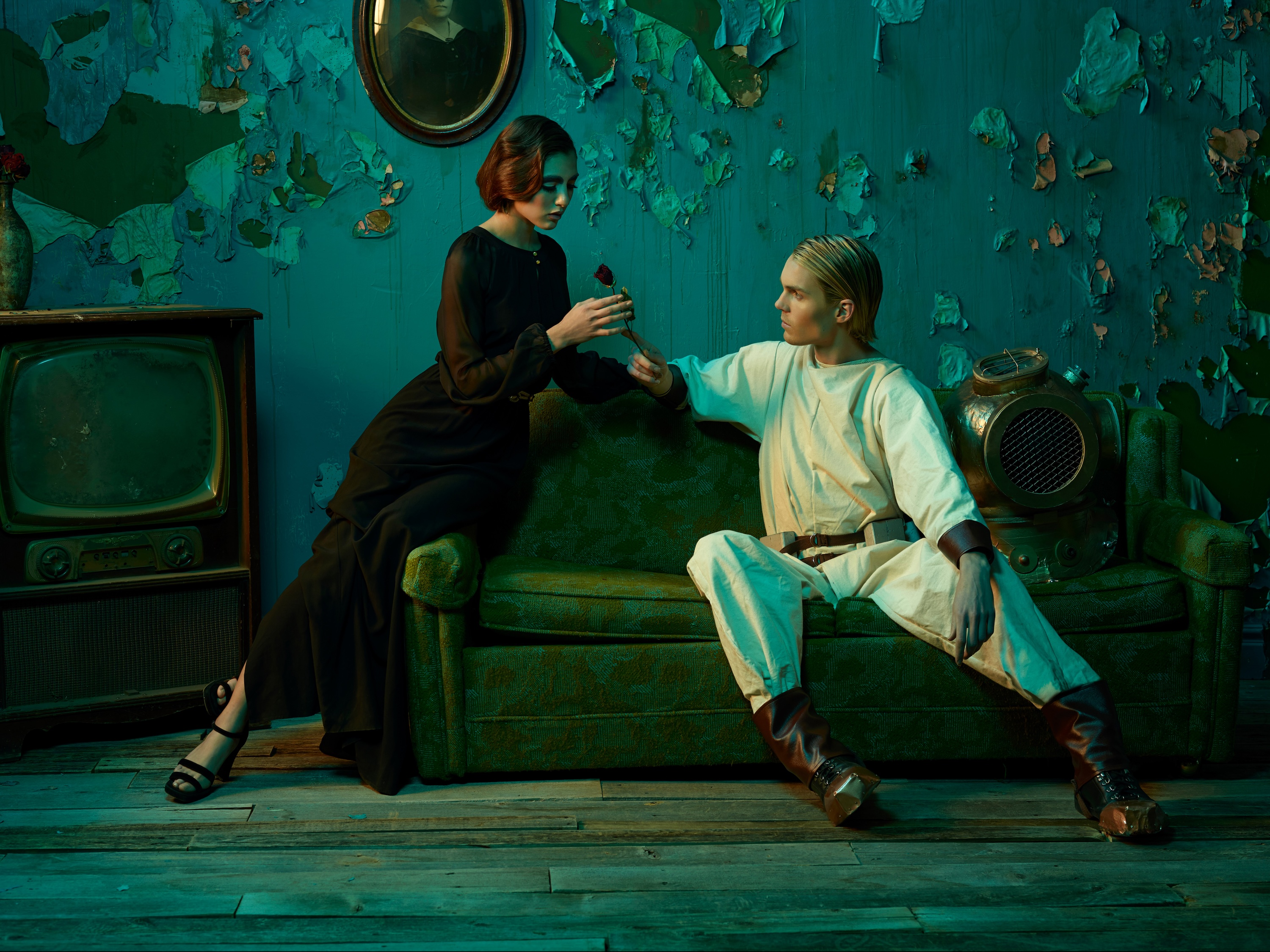
We spoke with Denver-based commercial photographer Paul Miller about the art of crafting original imagery in-camera. Known for his bold visual style and intuitive storytelling, Paul walks us through the behind-the-scenes of a recent Crocs x Swarovski campaign, how his style has developed over time, and why listening is just as crucial as lighting. From test shoots to creative trust, this interview reveals what drives his process and perspective.
How did you make the jump into advertising and editorial work?
I went the slow and steady route with my career. I started as an intern and then was hired as an assistant to an accomplished advertising photographer, where I learned the ins and outs of working with clients on set and how to be meticulous with lighting. I honestly think it’s incredibly helpful for anyone wanting to get into this industry to start as an assistant with a good photographer. You see how productions should really be run and you end up learning more there than anywhere else.
I assisted a few different photographers while building up my own client base and eventually stopped assisting and shifted into shooting full time. There’s been constant growth over the years, always learning, adapting, and expanding my client reach into larger productions. Adding video into my workflow about ten years ago has also been a huge advantage, and I’m very glad I jumped into it when I did.

What influenced your choice of lighting and colour grading?
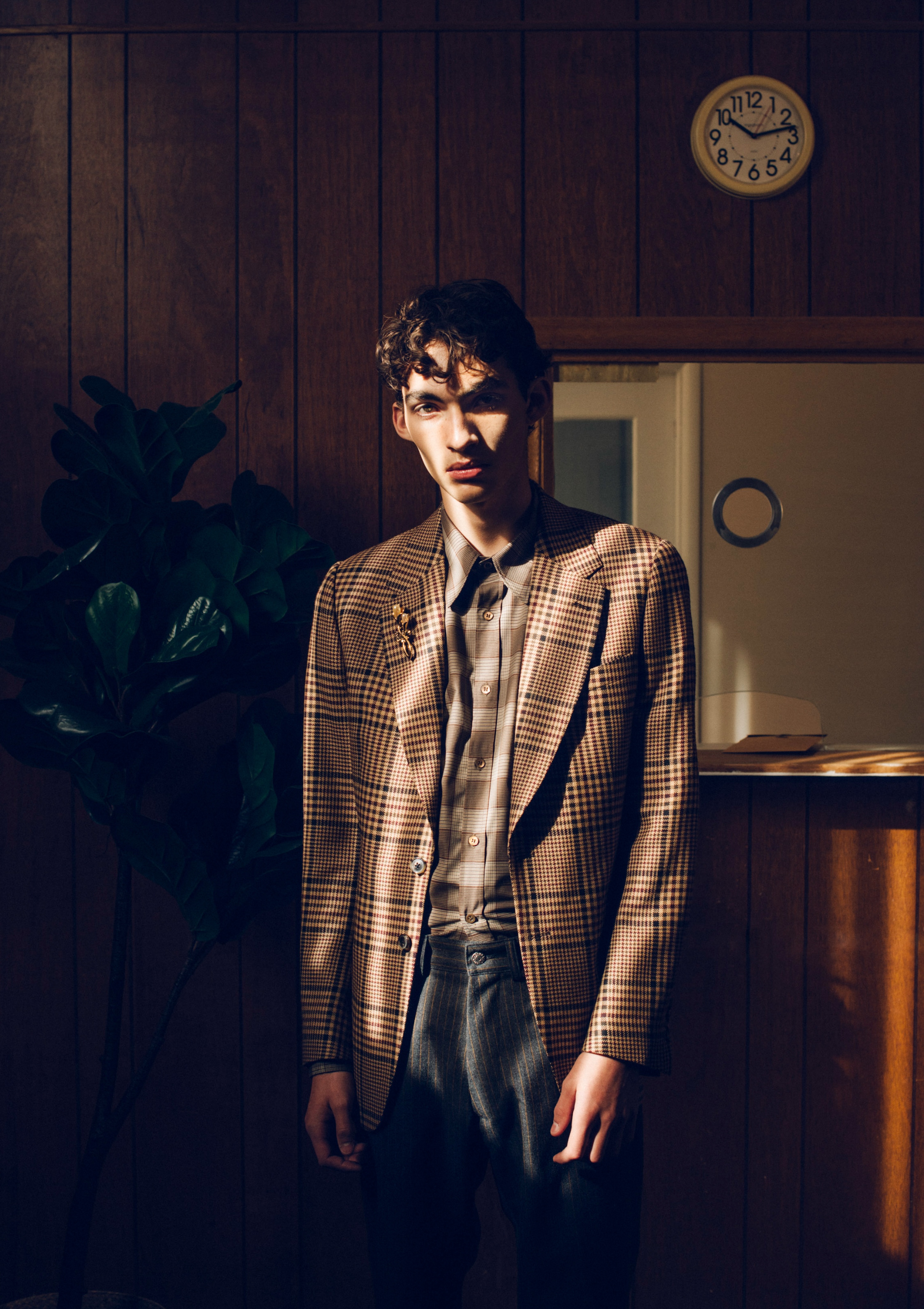
My lighting and colour grading have evolved over the years into the refined look that’s become part of my style. The world around me keeps shaping it. Sometimes it’s simply noticing how sunlight moves through a room. Other times it’s a road trip and a quirky pair of sunglasses that tint everything in front of me. And of course, films often spark ideas too. Whatever the source, it’s always what I rely on to set the tone, mood, and message for a shoot.
How do you maintain stylistic consistency across both stills and motion?
I’ve found that because both my stills and motion come from my own point of view, they naturally stay consistent. The way I compose, light, and colour an image is the same across both mediums, so everything stays aligned.
How does having your own production space influence your creative control?
Having my own production space has always been a huge advantage. It gives me the freedom to spend as much time as I want on personal work, test shoots, and fine tuning everything before a client production. It also becomes an extension of myself for clients, offering them a comfortable and inspiring place to work from.
What’s your most memorable creative breakthrough in a shoot?
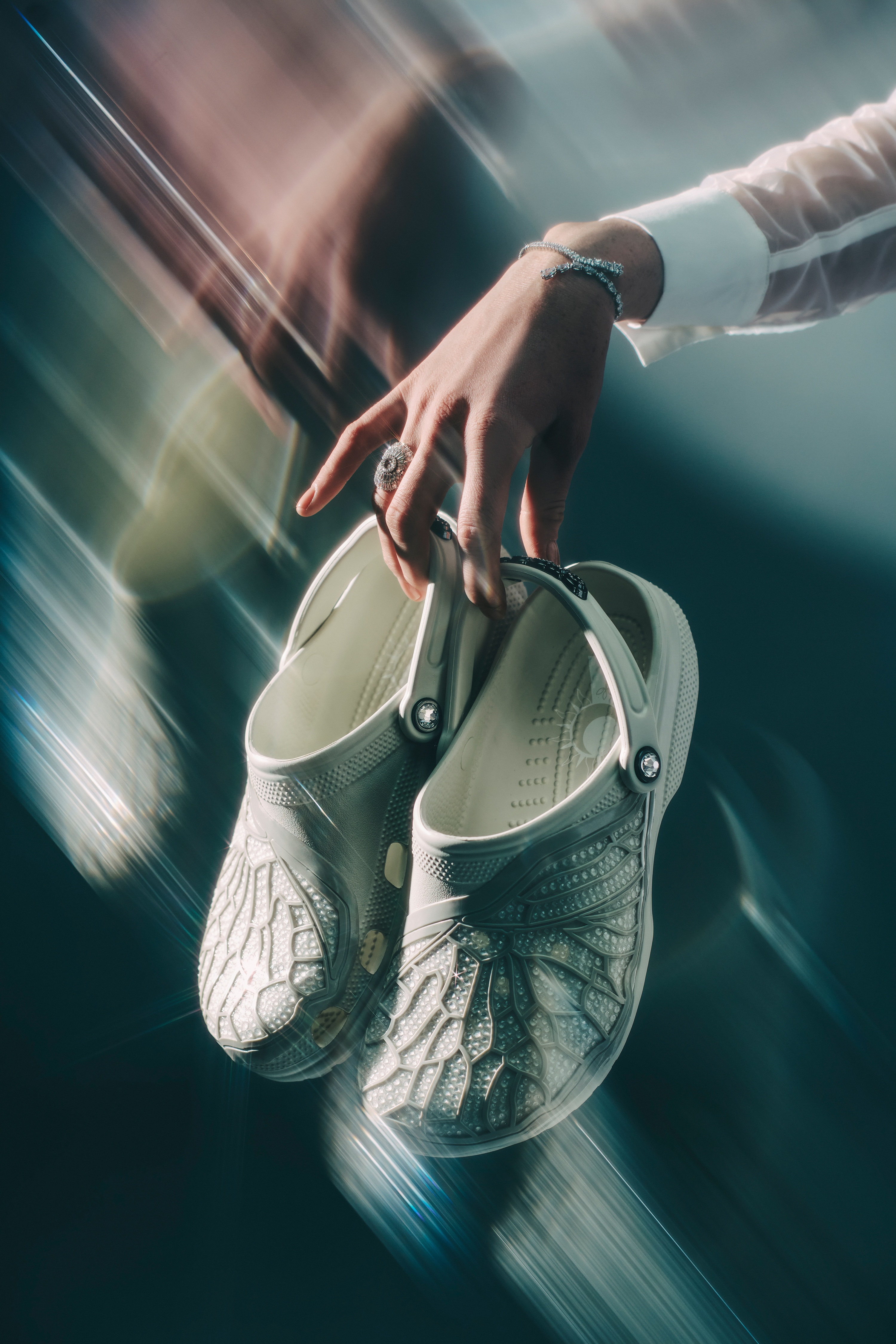
On a recent shoot for a Crocs X Swarovski campaign, the team and I really dove into adding depth and interest using handheld filters in front of the lens. We played around with stacking multiple filters, specifically a ghost filter with a star filter, to create a motion blur/double exposure effect that we could finely control, allowing just enough detail to come through so the product wasn’t lost in the look. Originally, we planned to shoot more images both with and without the effect, but as the shoot progressed and the client’s trust grew, we ended up using the effect more and more, eventually leaning fully into the look. It was so amazing working with clients like that who trust my creative vision and are game to create something original on camera. No adding effects later in post is needed. You can see and read more about that shoot here.

How do you adapt your storytelling for different industries?
Different clients and industries have different audiences, but storytelling is always at the heart of the project. Listening to my clients’ stories and learning the key pieces and parts that are important to them and their brand is crucial, they know their brand best. From there, I use my creative point of view to concept ways to highlight those elements, connect with their audience, and drive the visual narrative that best represents the brand. It takes listening to understand, attention to detail, collaboration, and a bit of creative magic to bring these stories to life in an impactful way.
How has your style evolved over your nearly two-decade career?
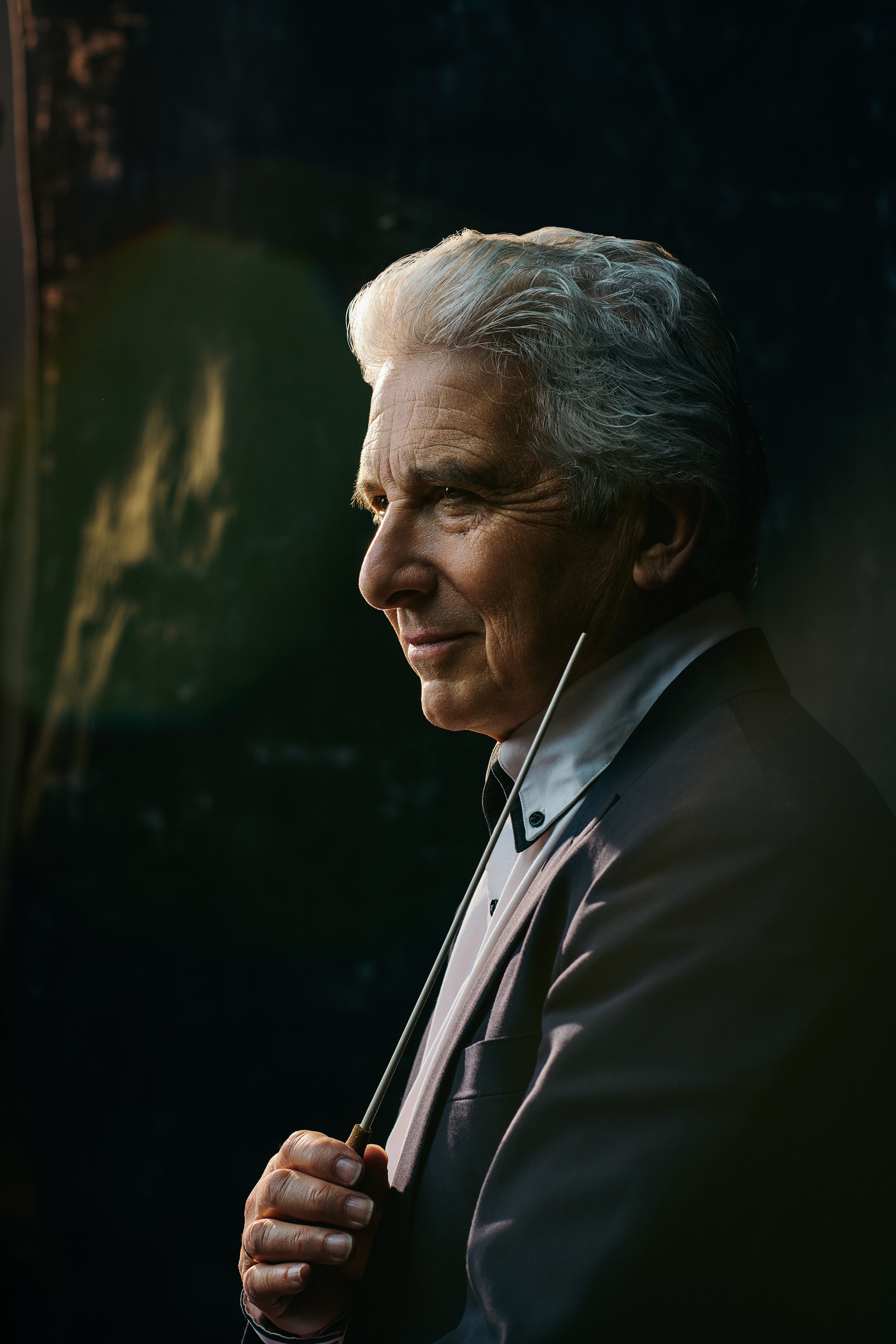
My style has evolved into itself over the countless projects I’ve shot and produced during my career. It started with a lot of trial and error, pushing myself creatively between client work with test shoots and passion projects, where inspiration pieces or mood boards often drove the look. The more I did that, the more I learned about lighting, composition, set design, and colour. And the more I learned, the more I developed personal preferences in each of those areas. Sometimes it showed up in a more intentional, upfront way, and other times it happened more subliminally in the background. Once you’ve got enough of those shoots under your belt, it becomes inevitable. Every shoot you do, even when you're trying to emulate something from inspiration, still carries your style and lets it shine through.
What keeps you passionate about your craft after all these years?
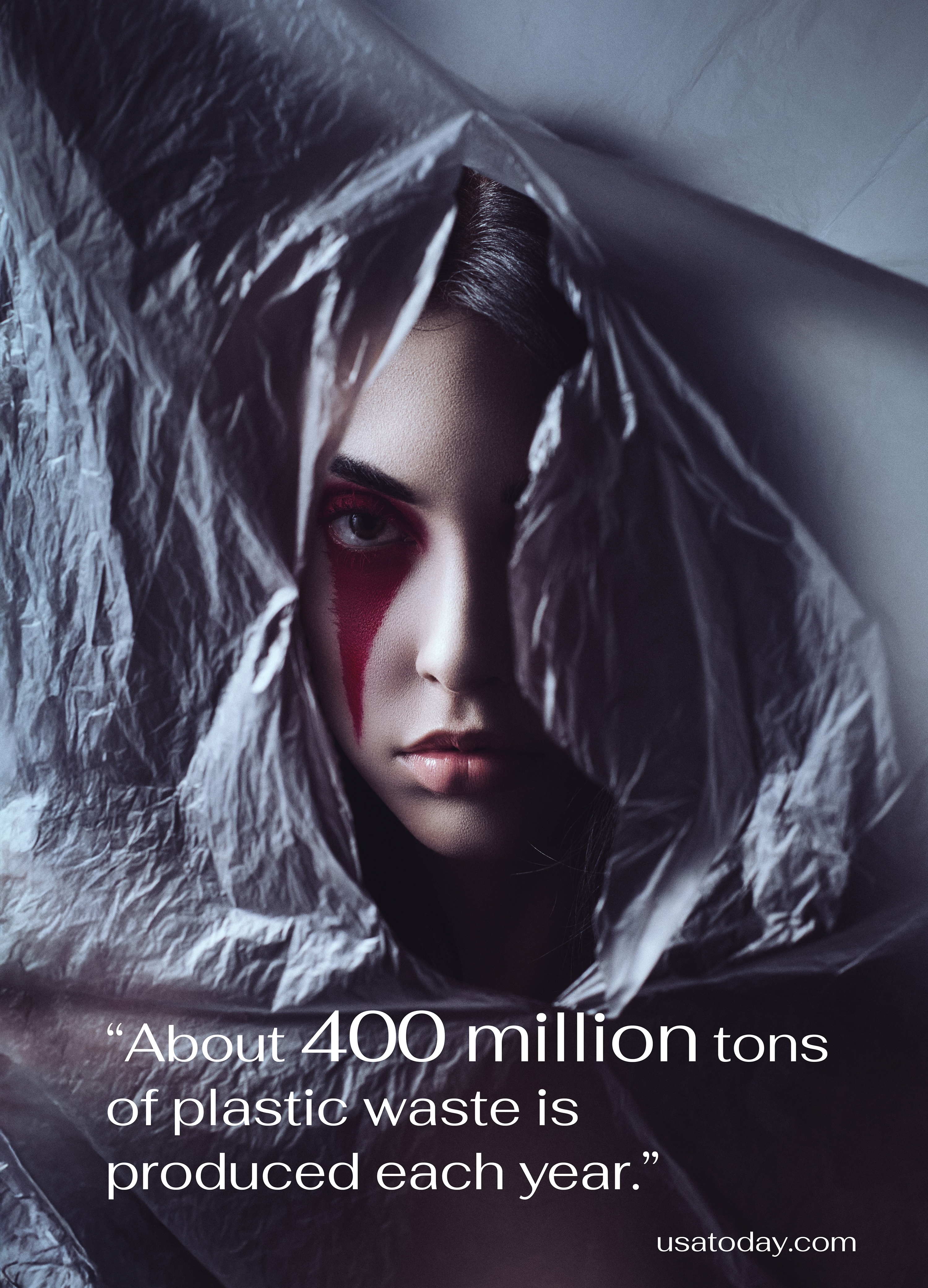
I am still driven by that quest to create imagery that evokes emotion from viewers. I have always wanted to make people feel something when they see my work. Lately, I’ve been looking for ways to incorporate social issues and causes I care about. The latest one is a project called Death To Plastics, in which I shine a light on the topic of the plastic consumption and dilemma that is wreaking havoc on our planet. If I can use my platforms to spread some factual information about something like this, then that is also something that will keep driving me forward to create.
What new creative directions or styles are you eager to explore in the next few years?
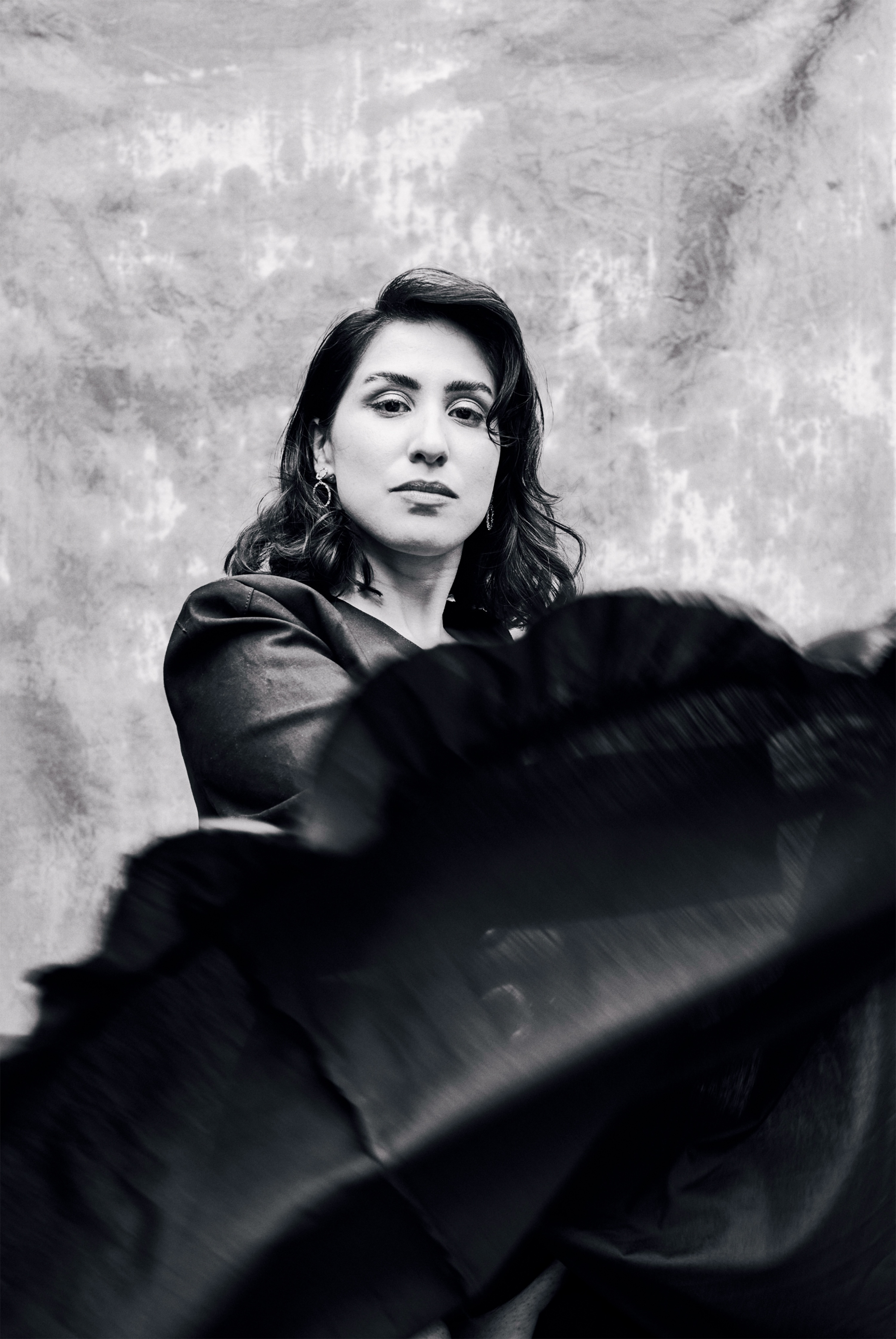
Exploring shoots that have a more raw and authentic feel to them is something I would like to focus on. As well as continuing to play with creative portraits. I think it’s going to be important for me in this day and age of AI to move further away from the fully polished work and draw on that raw energy and creativity while always keeping the storytelling first and foremost.

Do you have any objectives you want to hit in the next 5 years?
In the next 5 years, I would like to keep expanding my client base into more and more regions around the country as well as move into client work abroad. My target focus for new clients is working with those in which my style can really be fully utilised. The ones who appreciate dedication to the craft and really want to push the visual narrative are the ones I’m after.
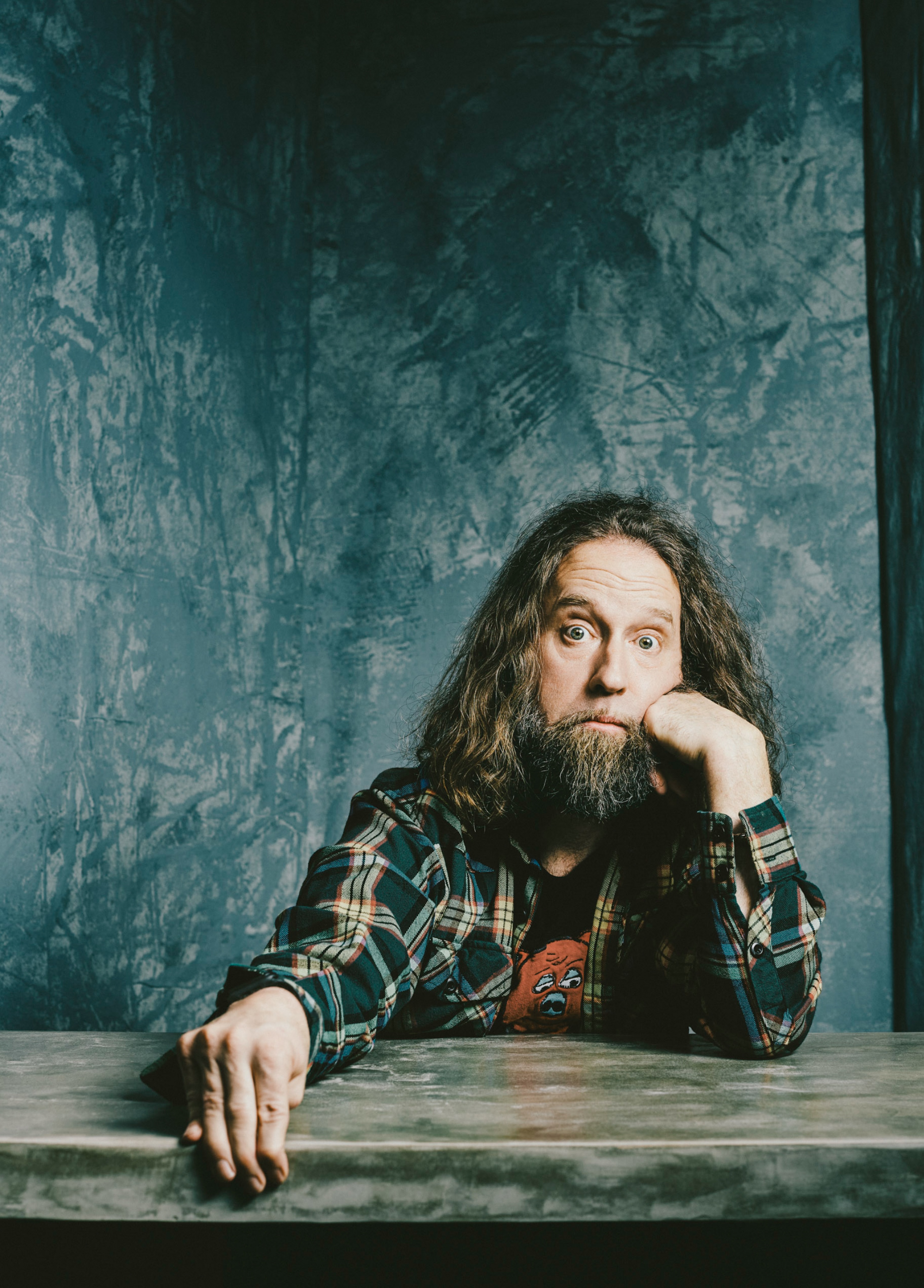
Which aspects of your Production Paradise listing do you think have been most effective in attracting new work?
Utilising Production Paradise’s platform to extend my marketing reach has been very beneficial in getting my work in front of more people. Having more places where people are exposed to your name and work is a very helpful and important part of marketing and brand building. It’s been fantastic to be included in the Spotlight features, as well as this interview, to help get my imagery and story in front of more individuals in the creative industry.
Thank you, Paul, for sharing your insights and creative journey with us. Your passion for in-camera storytelling and your commitment to original imagery are truly inspiring.
You can see more of his work on Production Paradise and his website.
If this article was of interest to you and you want to read more interviews from our members click here.