Jeremy Shaw is a photographer and filmmaker with a unique ability to capture raw, authentic moments. With years of experience, he blends cinematic storytelling with genuine performances across portraits, commercial campaigns, and short films. His adaptable, calm approach, shaped by time on commercial sets, allows him to thrive in fast-paced environments. Passionate about collaboration, Jeremy’s work is defined by his strong connections with people and lasting creative partnerships.
You seem to have a real gift for connecting with people and capturing something honest in front of the camera. What do you think helps subjects feel comfortable enough to reveal that raw, unfiltered side of themselves?
It’s mostly about slowing things down, even when everything around you is moving fast. People can feel when they’re being “shot” versus when they’re being seen. I try to create a space where the camera almost disappears or at least feels secondary. I'll be deep in conversation at times and forget that I'm meant to be taking photos.
I’ll talk a lot at the start and you can feel the moment when someone drops their guard a little. That’s usually when things start to open up.
Also, I’m not chasing perfection. I’m genuinely interested in who they are, the small quirks, the way they stand when they’re not thinking about it. Once people realise you’re not trying to turn them into something else, they relax into themselves.
Your work spans portraits, commercial campaigns, and films. Do you find that each format gives you something different creatively, or do they all feed into the same storytelling instinct?
They all feed the same instinct, just in different ways. My portrait work is very stripped back. It’s just me and the subject most of the time, it really sharpens your sensitivity.
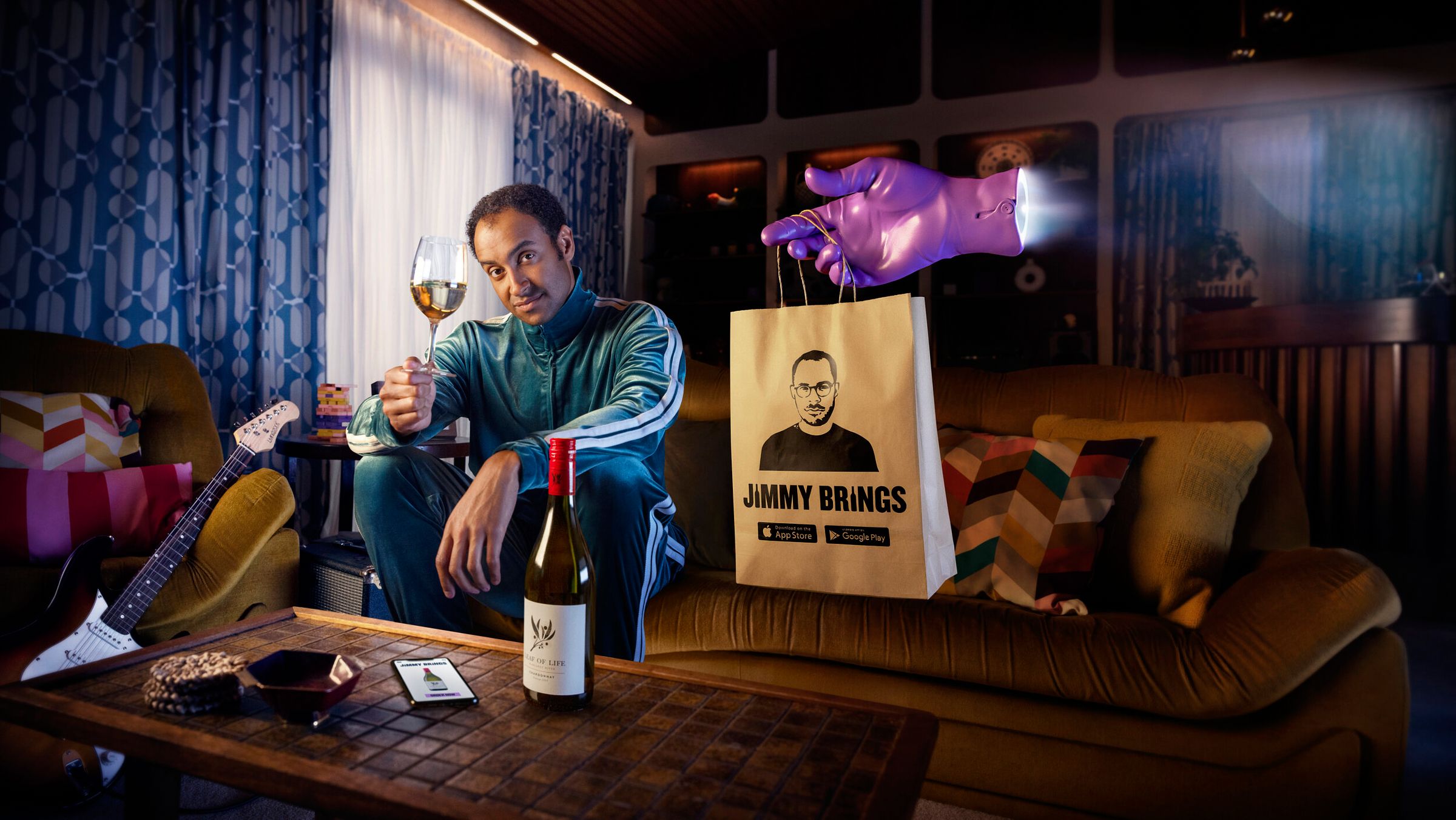
Commercial work pushes you to solve problems quickly and communicate clearly. There’s pressure, clients, weather, and all manner of things to juggle in a short time.
Whether I'm directing or DPing a film project, I end up building a rhythm and atmosphere. It’s the most collaborative part of what I do, and you need to know when to let go and trust others.
They all cross-pollinate and I'm always thinking about structure, from framing, light, composition, to timing. I'll leave enough space for something unexpected to happen inside that. If everything is too controlled, it loses that human edge.

As both a photographer and filmmaker, how does working in motion influence the way you shoot stills, and vice versa?
Shooting motion has made me more patient with stills. I think in sequences now, not just single frames. I’m always asking, what happened just before this, what happens right after?
And stills have made me more precise with film. I’m very aware of individual frames inside a moving sequence. There’s always that one moment that holds everything.
It’s kind of a constant back and forth. Motion gives context, stills give clarity.

Genuine performance seems to be at the heart of your work. What do you look for in a subject or moment that tells you, this is the frame?
It’s usually a break in self-awareness.
A tiny shift. A glance that isn’t performed. A moment where someone forgets the camera exists. It’s subtle, but you feel it immediately.
Sometimes it’s messy, not technically perfect, but it has something real in it. That’s always the frame I’ll choose.
You’ve spent time on commercial sets in fast-moving environments. How has that experience shaped the way you work under pressure and adapt on set?
You learn to stay calm, even when things are slightly falling apart. Because they always are, just in different ways.
I’ve gotten comfortable making decisions quickly and trusting them. There’s no time to overthink.
Also, you realise preparation is everything. The more you’ve thought things through beforehand, the more freedom you have when things inevitably change.
What are some of the biggest challenges in creating work that feels emotionally real in a commercial context?
Time and expectation, there’s often a tight schedule and a clear brief, which can make things feel a bit manufactured if you’re not careful.
The challenge is finding space within that to let something real happen. Sometimes it’s just carving out an extra minute with the subject, or shifting slightly away from the plan when you feel something better happening.
Is there a project, portrait, or film that feels especially meaningful to you, either because of the story behind it or because it pushed you creatively?
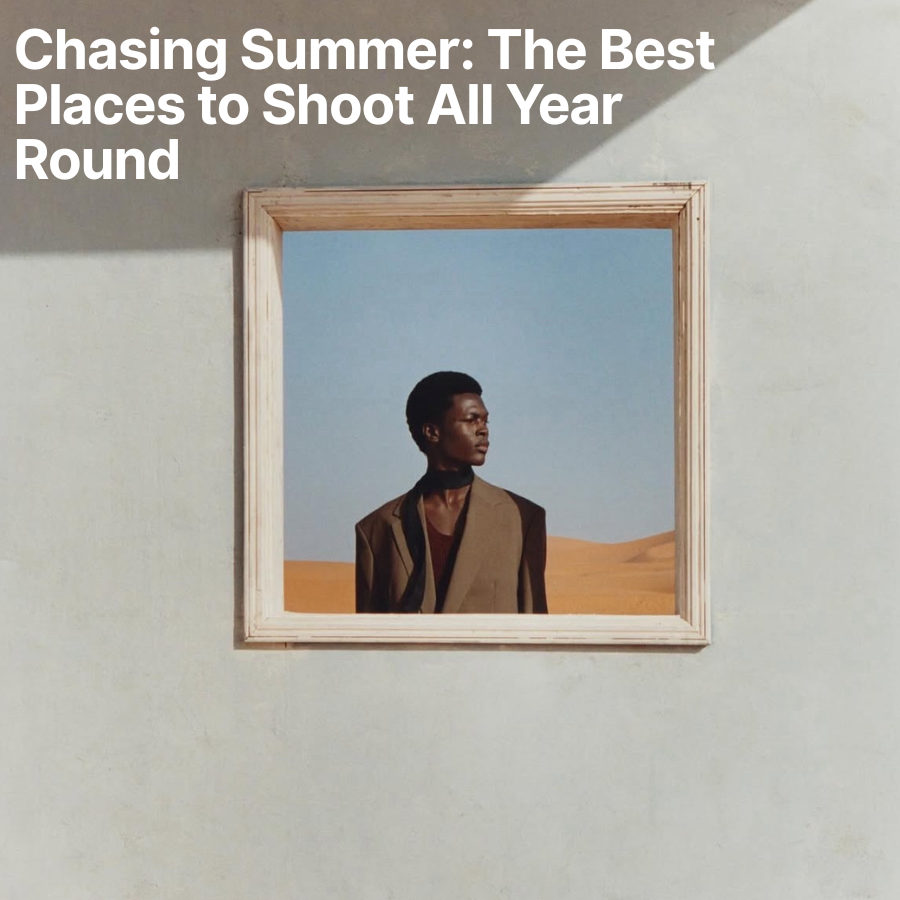
Endless Summer is probably the most personal. Spending years returning to the same beaches and similar energy, you start to notice patterns in what you’re drawn to. You stop chasing trends and start trusting your instincts.
I've been shooting it in the background alongside everything else for years, no pressure, no client, just observation. It’s where I go back to reset a bit.
It’s taught me a lot about patience and about trusting quiet moments over obvious ones.

How do you approach directing people who are not professional talent, while still getting something honest and visually strong?
I like to keep things simple, too much direction can make people stiff.
I’ll give loose prompts instead of strict instructions and reassurance goes a long way. People relax when they feel like they’re doing well.
Your work often feels intimate and human. How important is trust in your process, and how do you build that quickly on set?
Trust is everything, without it, you’re just taking pictures of a surface.
Building it quickly is about being present and genuine. People pick up on that fast. If you’re calm, respectful, and actually listening, they’ll meet you there.
And I never push too hard. If something doesn’t feel right, I’ll back off. That in itself builds trust.
Over the years, what have you learned about yourself through the way you photograph and film other people?
That I’m drawn to subtlety more than I realised.
I used to think I needed bigger moments, more obvious storytelling. But over time I’ve leaned into quieter things, small gestures, in-between moments.
It’s probably just a reflection of how I see the world.
For brands, agencies, or collaborators discovering your work for the first time, what do you hope they immediately understand about your creative voice?
That it’s human first no matter the scale of the project, I’m always trying to find something real inside it. Something that people can connect to, not just look at.
And that I care about the process as much as the final image.
How do you think your membership with Production Paradise compares to other marketing or directory platforms you’ve used?
It feels more curated which makes a difference, there’s a level of quality and focus that makes the platform feel more intentional. That translates into the kind of people who reach out.
It feels like a good way to connect with international clients and people who might not have found my work otherwise.
Thank you, Jeremy, for sharing your creative journey and vision with us. Your passion for authenticity and storytelling is truly inspiring. View their member page to see more.
If you enjoyed this interview, explore more stories from our talented members here.