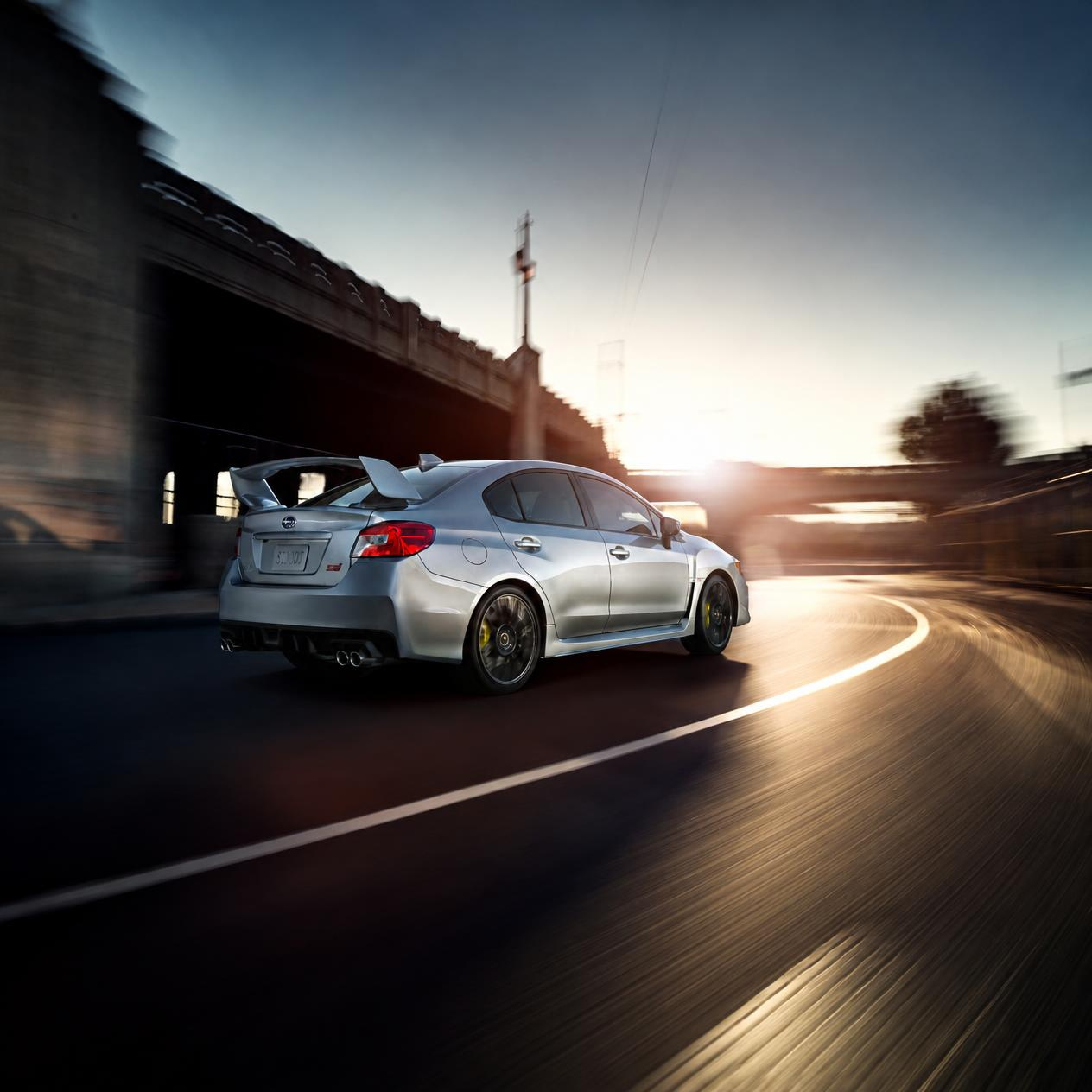
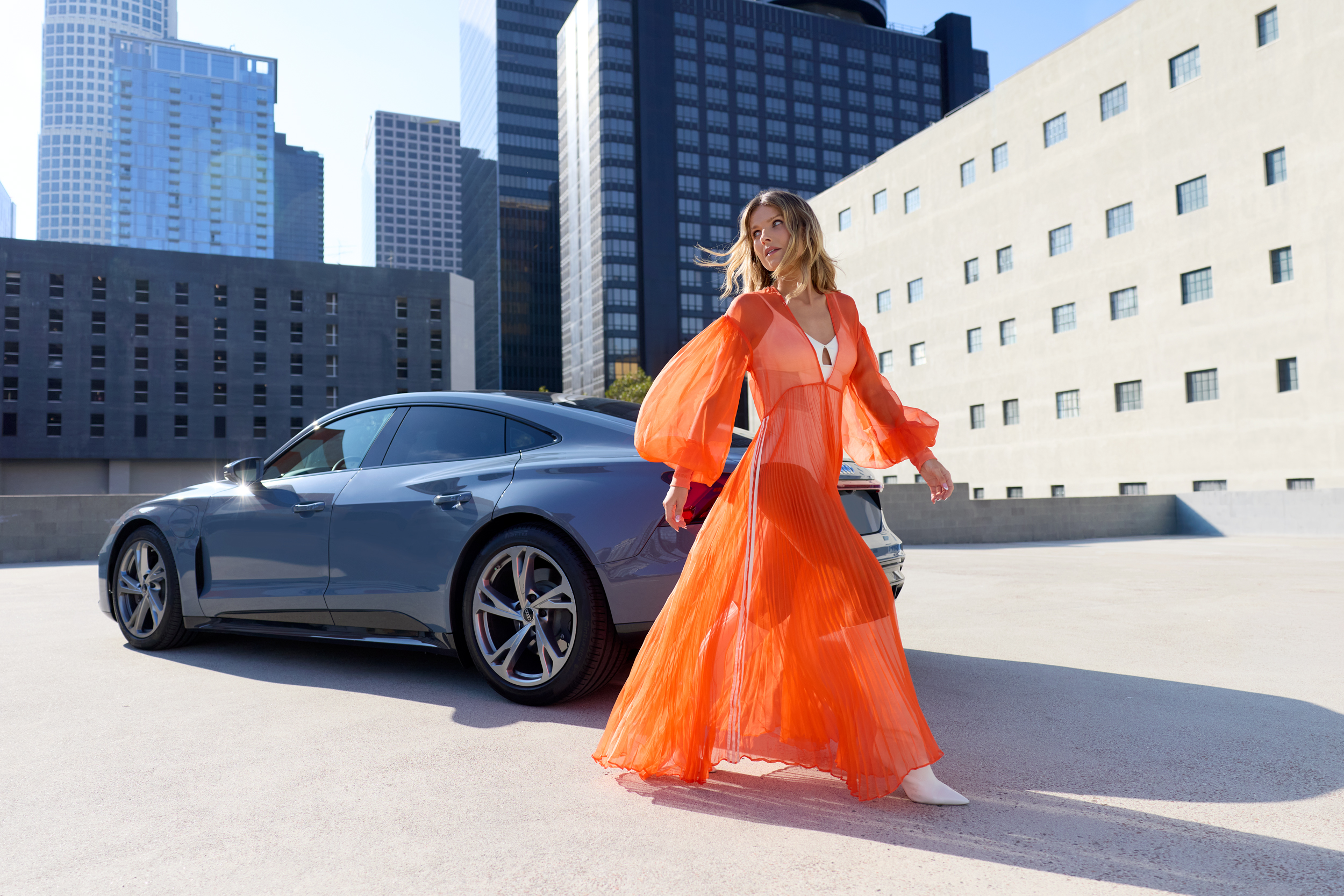
For automotive and lifestyle director and photographer Anthony Dias, every image starts with a feeling. He got his start in the Los Angeles advertising scene, where he was mentored for years by leading commercial artists. He found his sweet spot where fashion and automotive meet, blending classic practical technique with modern innovation across both motion and stills.
In this interview, Anthony talks about how his childhood love of classic muscle cars led him to his niche, and why every shoot is an aspirational journey built around the emotion of the drive. He also covers his storyboarding process, how his mindset shifts between directing and shooting stills, what makes a great location, and the dream black-and-white fashion campaign he still hopes to shoot.
What first drew you to the intersection of photography and automotive work? Was there a specific moment that inspired you?
I was in love with classic muscle cars as a kid, and I studied photography from a young age as well, but I mostly studied fashion photography in college. It wasn't until I started working with automotive shooters that the worlds collided for me and I found my niche.
You talk about the role that being a storyteller plays in your work. What is the story you are trying to tell?
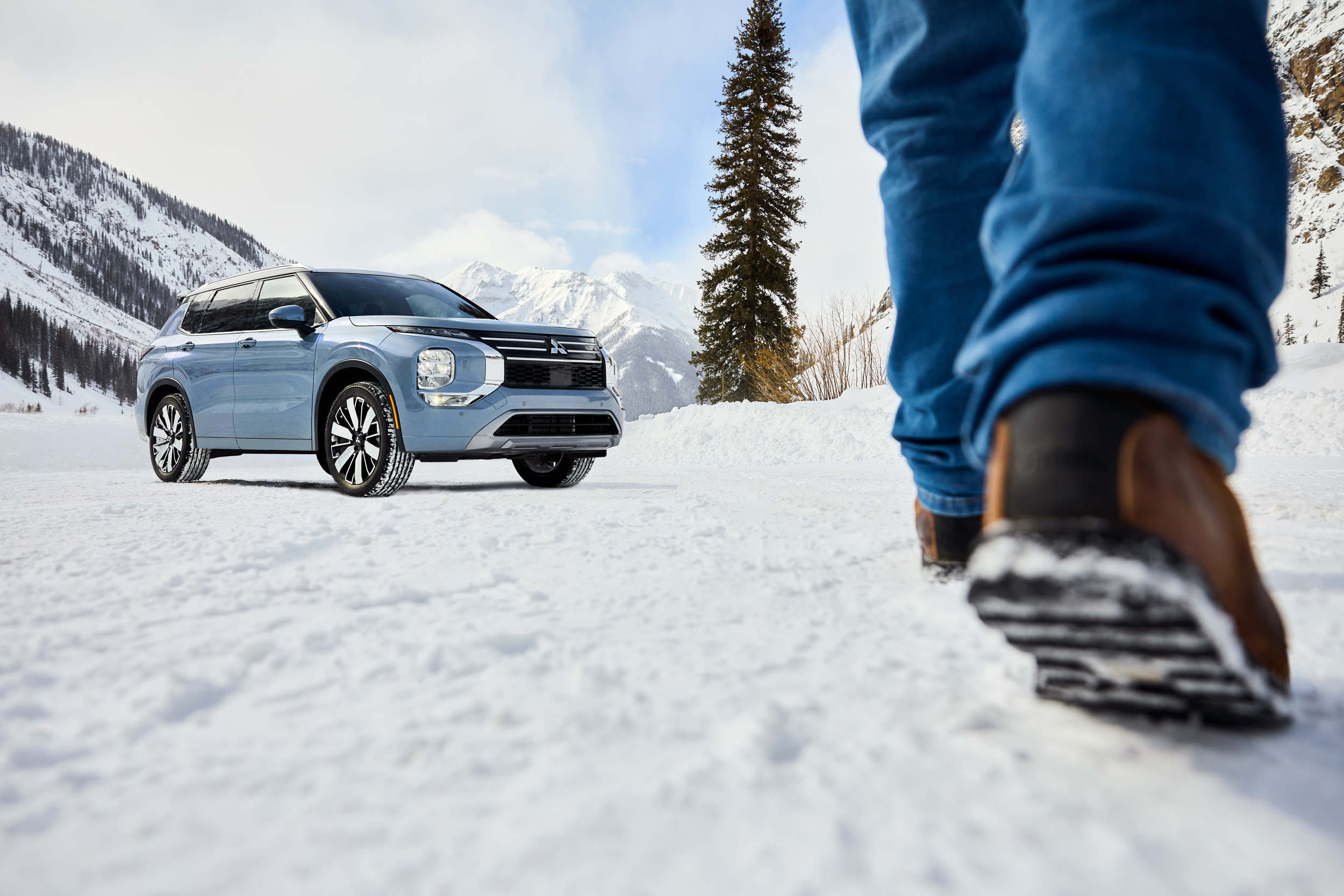
No matter the type of imagery, I want people to feel something and relate to it. My visual stories tend to be aspirational journeys, and I try to capture the emotion of how it feels to drive that particular car, whether it's exhilaration, adventure or relaxation.
How do you define success?
Success for me is making my clients happy. It might sound corny, but I work really hard to bring their vision to life, so I feel fulfilled when it comes to fruition.
In the bigger picture, success in life is being able to make a living doing what I love.
What makes a great location for automotive or lifestyle shoots in your eyes?
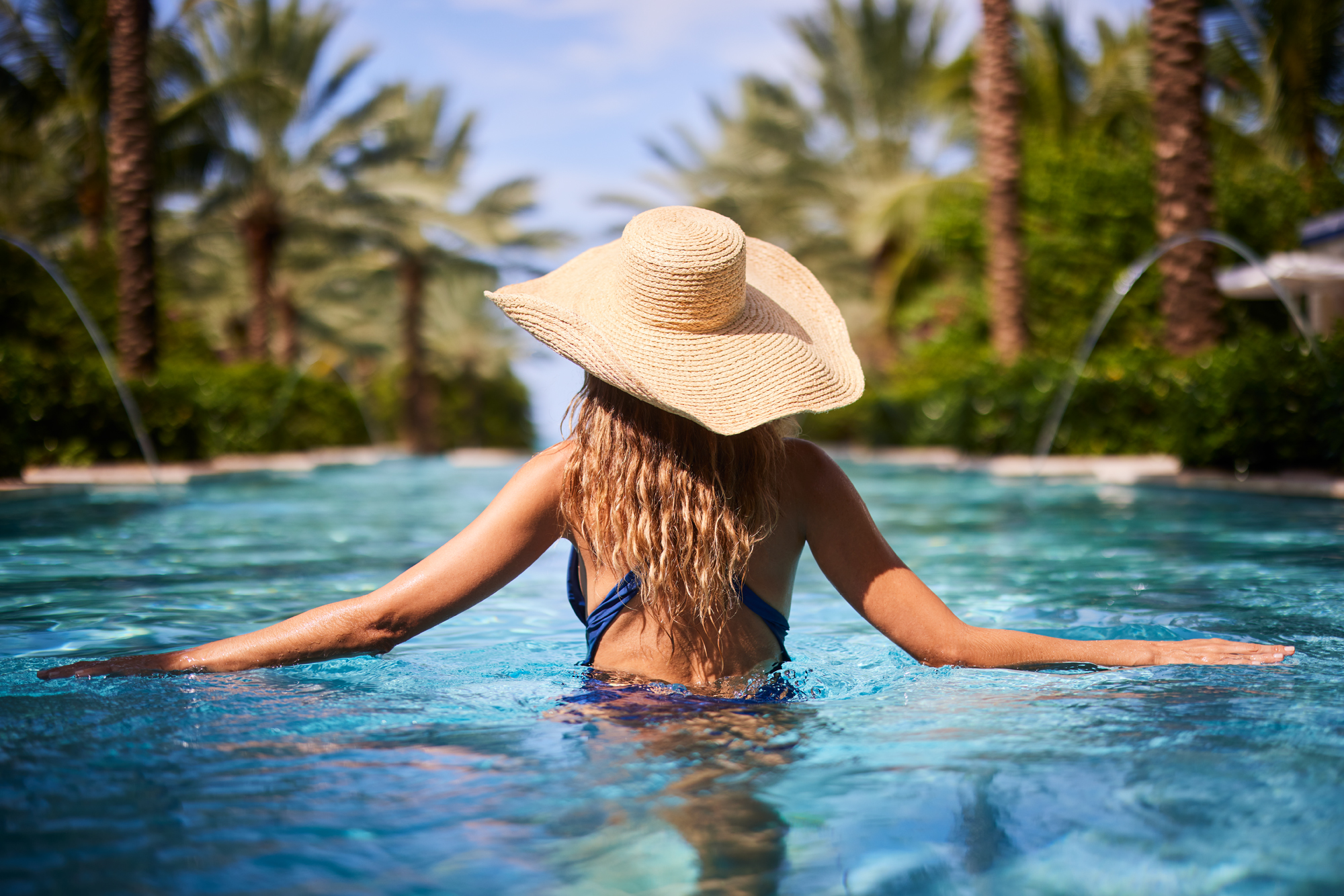
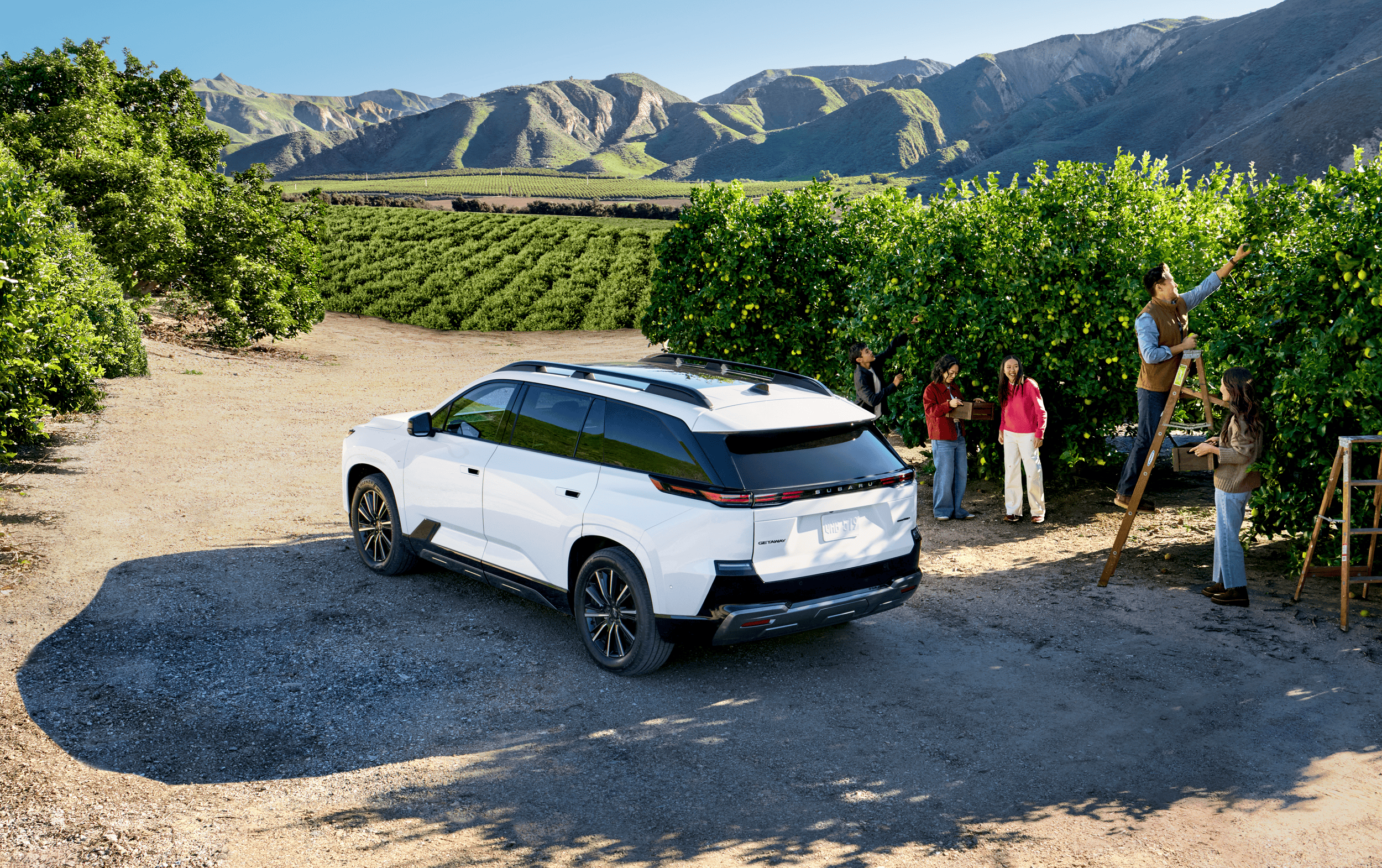
In my eyes, the location needs to support the story I am trying to tell. The reality of the location also has to match the subject matter. Visually, I push for endless depth and vibrant colour.
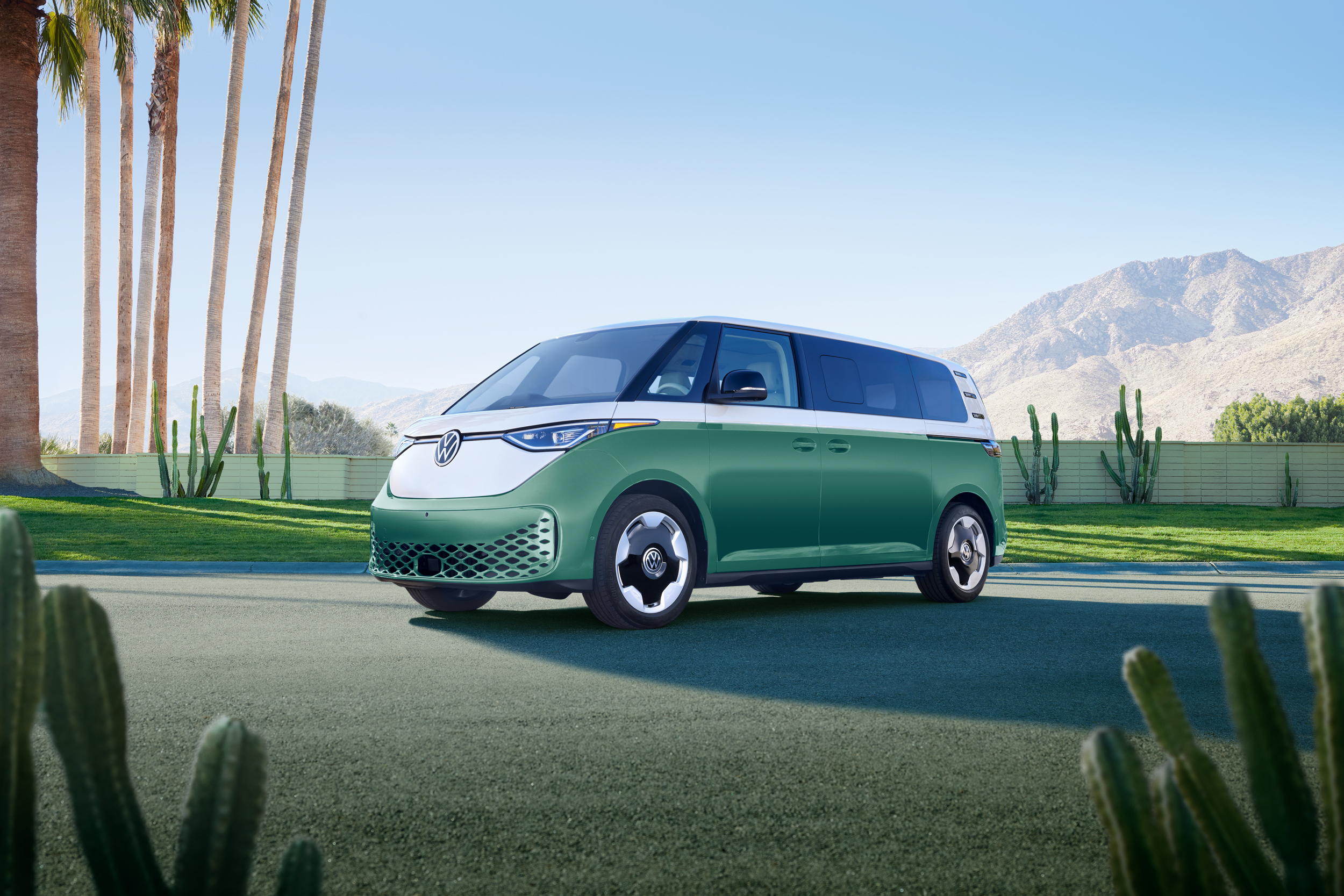
How does your mindset shift when you're directing motion versus shooting stills?
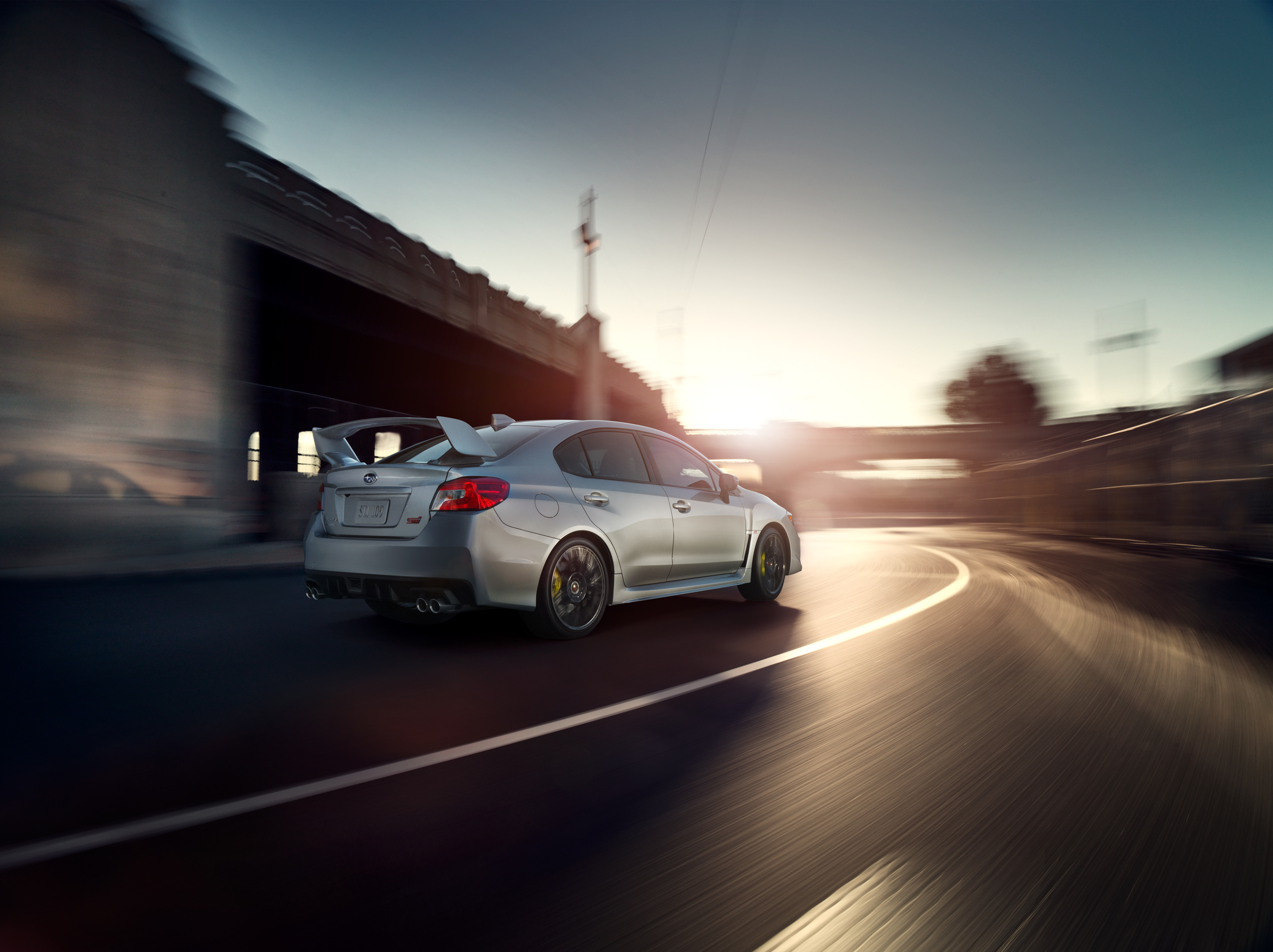
When I direct, I play out the story strategically to draw you in, using a variety of tight, medium and wide shots on different camera platforms to build emotion. I also use sound design to set the mood.
With stills, I focus on a single frame that draws you in, tells the story and creates an emotion through the depth of the photograph.
Do you storyboard your shoots, or do you let things unfold more intuitively on set?
I always storyboard my shoots, regardless of the project. I don't follow it exactly, but it helps me make sure I capture all the elements to edit the story in a few different ways, depending on the end usage.
Do you prefer working with long-time collaborators or starting fresh with new teams?
I want to work with people who are excited and hungry to create. I continue to collaborate with long-time colleagues, which brings confidence.
New relationships are exciting in their own way, because the process of getting to know someone's creative perspective is thrilling.
Are there any career milestones that felt especially meaningful?
Seeing my work on TV is very special. It makes me proud as a father to show my kids my work and encourage them to follow their dreams too.
If you were to teach a workshop, what would you focus on?
I would teach creative drive and creative inspiration. The emotional side of making art in a demanding commercial world is something I can speak to.
Looking ahead, what kinds of projects or themes are you eager to explore next?
I want to shoot a high-fashion, black-and-white global campaign, maybe with a classic Aston Martin or Ferrari.
You've been featured in our Spotlight Magazine. How did that showcase align with your brand or creative direction?
I value the Spotlight and Showcases because they reinforce my marketing and get my work out to creatives and clients who may not know about me otherwise. The Spotlight is curated well, and the presentation is very professional.
A big thank you to Anthony Dias for sharing his passion for cars, storytelling and the emotional side of commercial image-making. View his member page to see more of his work.
If you enjoyed this interview, discover more stories from our talented members here.