For New York and Boston-based photographer Peter Baiamonte, photography is about preserving moments that might otherwise pass unnoticed. From intimate portraits and architectural stories to commercial campaigns and personal landscape projects, his work combines careful observation with clear, purposeful storytelling.
In this interview, Peter reflects on how experience has shaped his creative approach, why simplicity often creates the strongest images, and the importance of building lasting relationships with clients and crew. He also discusses finding inspiration beyond photography, developing a distinctive visual voice, and his longstanding Production Paradise membership.
How would you describe your photographic style in three words?
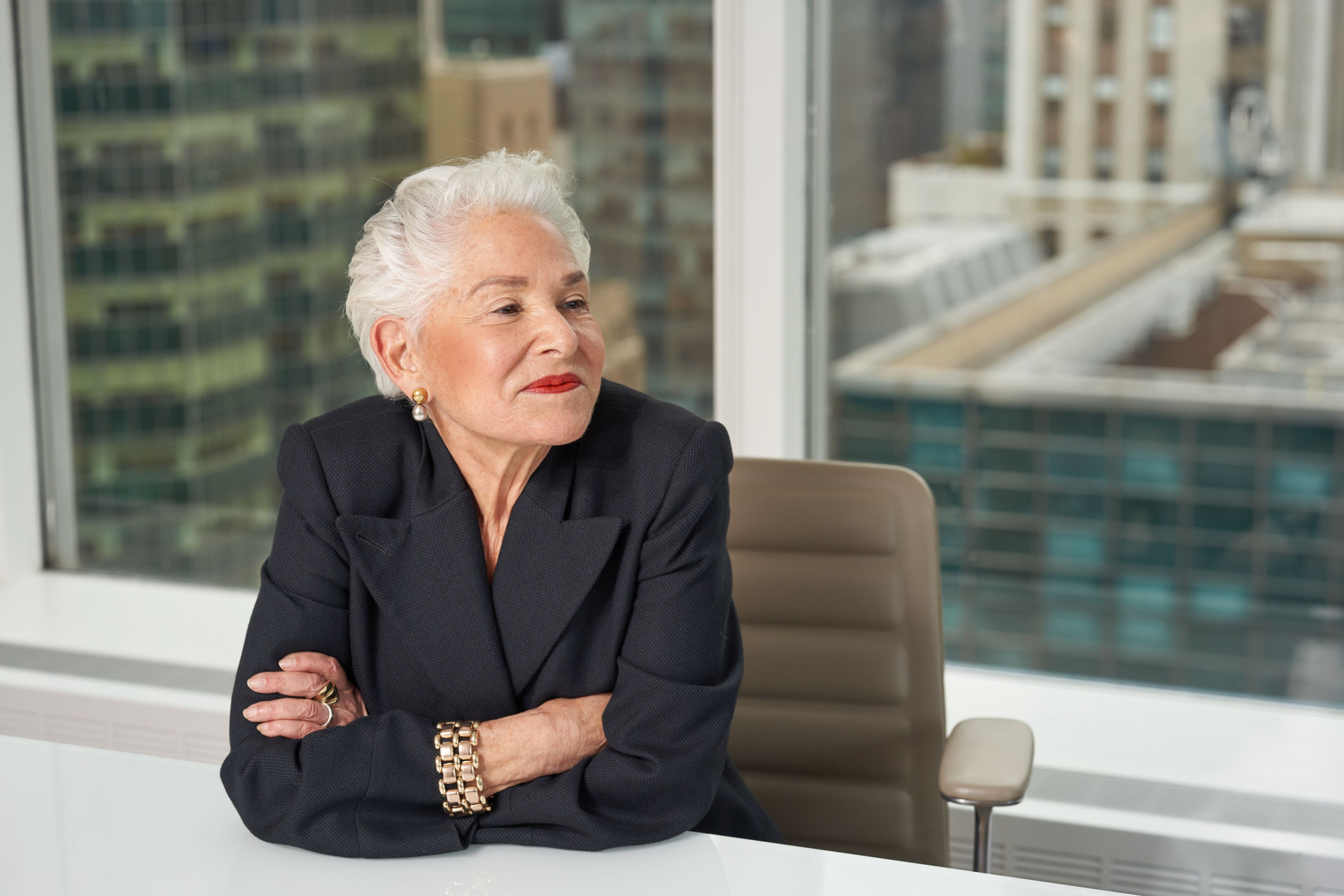
Moments in time. Being limited to only three words is difficult. Perhaps this phrase describes all photography, but that’s the best I can do. I was just looking at a photo I took on film with a vintage Widelux camera, of my eighty-three-year-old neighbour. It's a black-and-white portrait of her. We were sitting and having a gin and tonic together in the evening. What I have in that photo is a simple moment of time, but it says a great deal about who she is and our friendship.
Your work often feels like it tells a deeper story. What role does narrative play in your creative process?
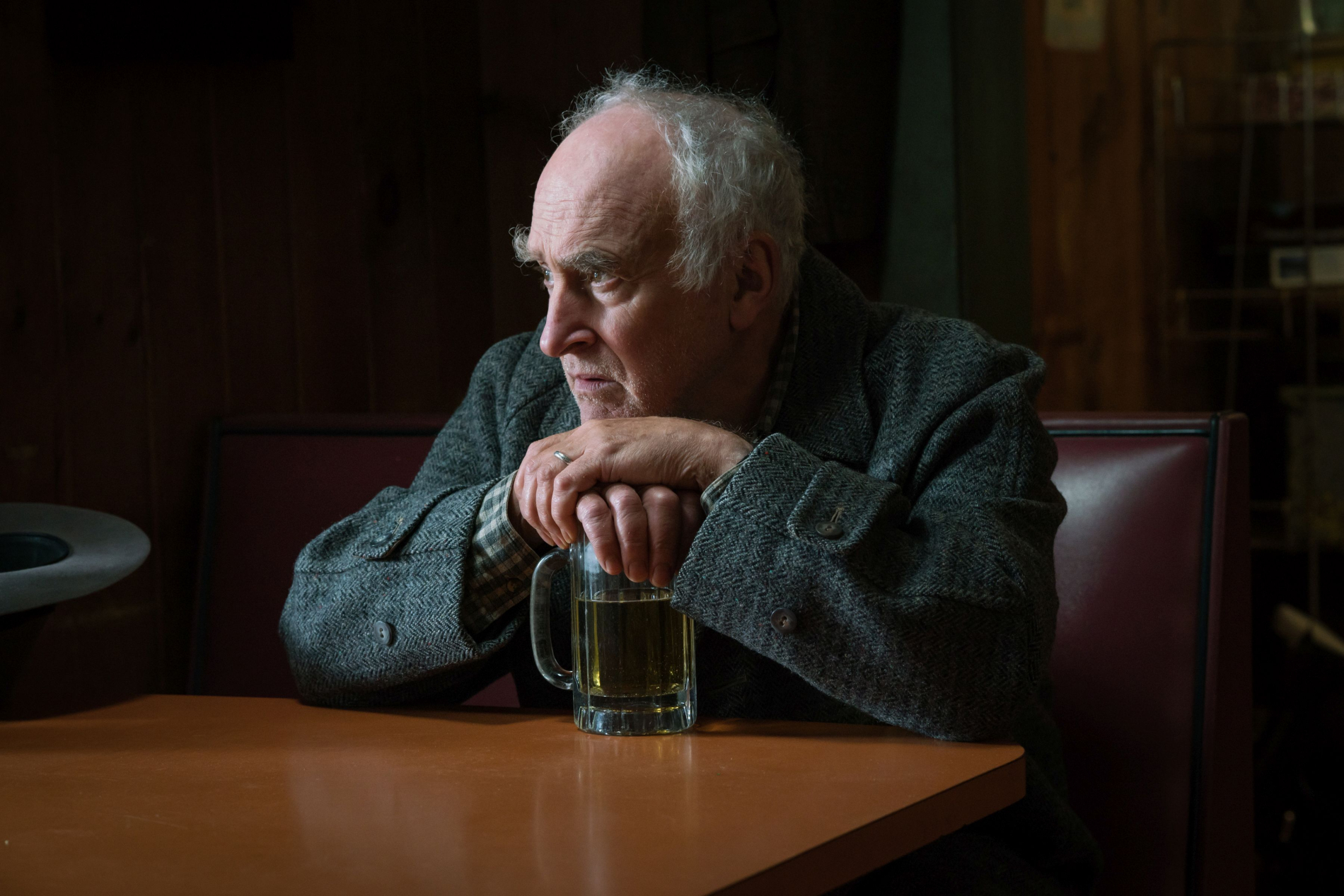
I recently shot some new work in a genre that's slightly unusual for me. It was a home/architectural shoot of the country house belonging to a New York City-based couple. We explored little moments in the homeowner's life: holding a mug of coffee on his deck and enjoying the view; relaxing by the fireplace with a fire burning and scenes around the house. I was trying to tell the story of this property. The architects wanted to submit the photos for potential awards, and we were going for the style of a Dwell magazine home story. I loved telling that story and capturing moments that narrate a story of escape from the tension of the city to find a place of tranquillity.
What is your process for prepping a visual narrative before a shoot?
I lean towards a nuts-and-bolts approach. I consider lens and camera choices. Which lens or camera can create the best effect for a given concept? Or help shape the feel that I'm going for? I might also consider the colour grading treatment in post, but primarily, I think about which camera and lens to use, with an eye toward producing the best look and character for the look we are trying to create.
How has your storytelling style evolved over the years?
As I get older, my life experiences come more into play. Sometimes their effects are subconscious, but I know they colour my work. I think the technique of shooting has become almost instinctual by now, which frees me to think more about what I want to say and what story I want to tell. At the same time, I’ve learned that simple is better, to accommodate my clients' needs, I don’t need to make a statement about my abilities, and I don’t need to break new ground. I just try to create a simple, instantly legible story that helps clients make their sale.
How do you stay creatively inspired and continue refining your craft?
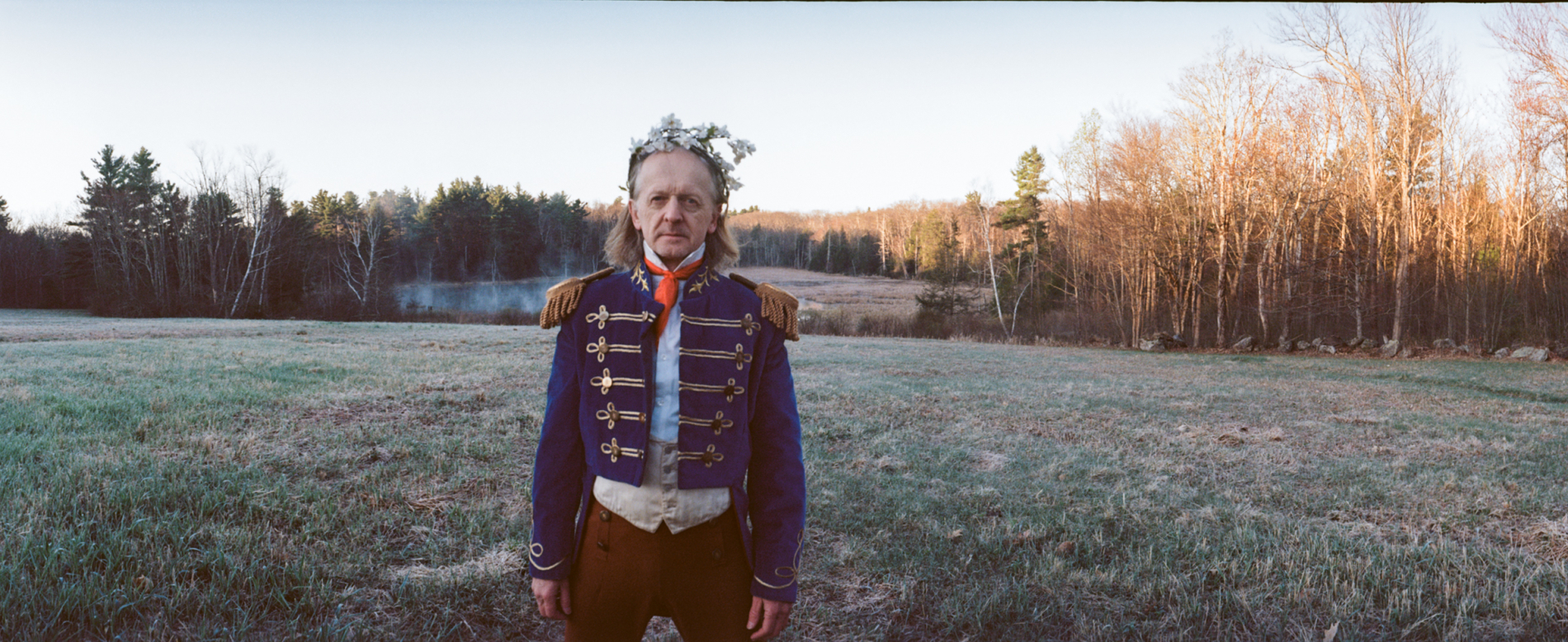
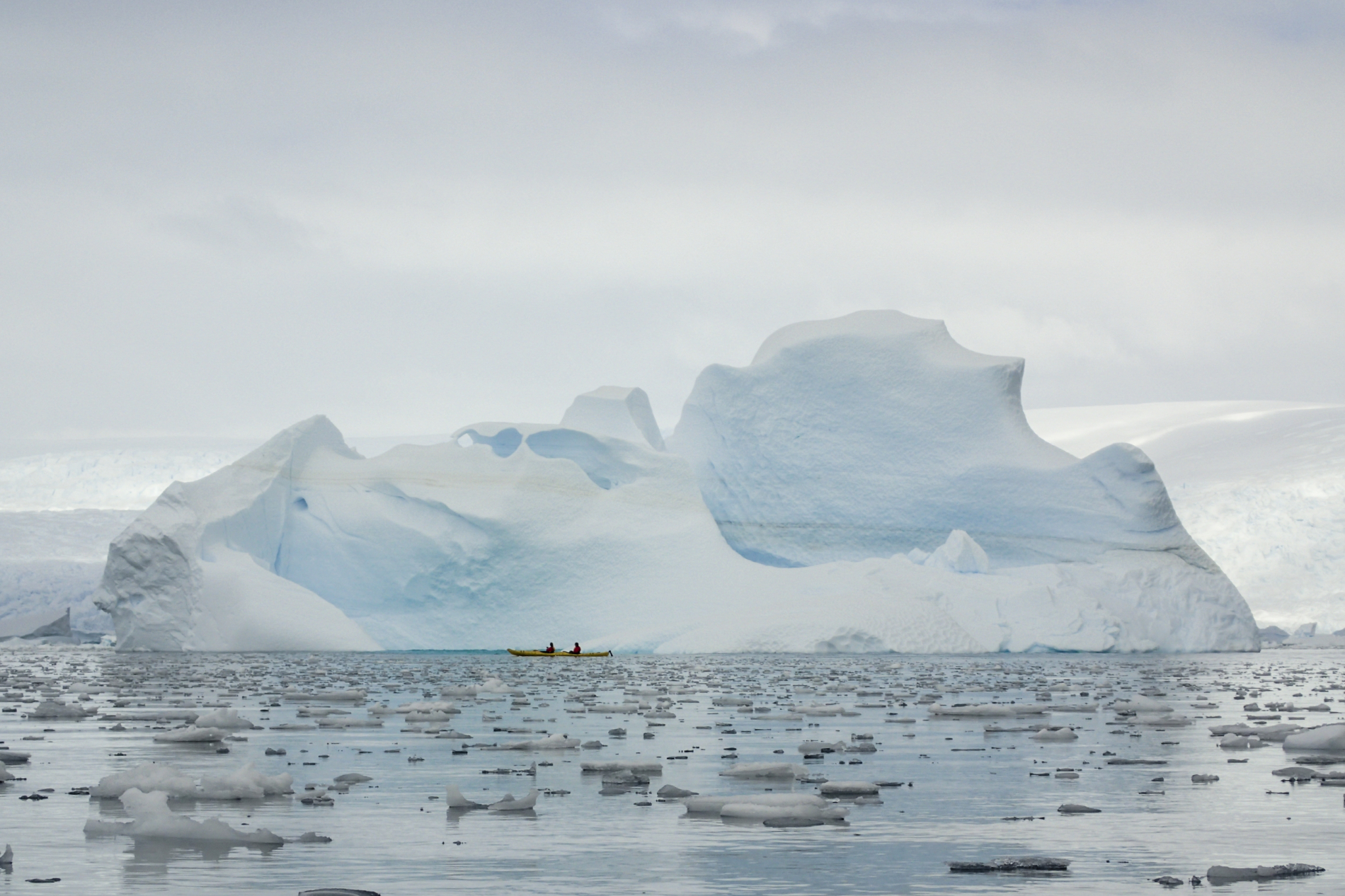
I am lucky enough to live in a richly artistic world. I'm on the board of a small theatre in Massachusetts. I'm involved in all sorts of projects in New York City. I find inspiration in all of it. A few years ago, through a theatre connection, I became good friends with a fantastic vaudeville performer, and this spring we will be working on a photographic fine art project. I learn and grow every time I play with photography like this.
What’s a photo series or body of work that really pushed your creative limits?
I’m not sure if I can say it really pushed my limits, but I have a simple personal project: creating landscape photographs at a local nature reserve in Massachusetts. This project forced me to look for specific compositions in what was apparently a simple forest, finding the compositions that worked, that "clicked” for me; with the precise quantity of trees I wanted, in the perfect crop; considering the presence of the trail in the photos, and so on. It sounds so simple, but making pretty photos of the forest was an exercise in composition that taught me more than I expected!
Do you ever say no to a project? What makes you turn something down?
Sometimes, it’s a simple matter of knowing I don’t have the skills or experience for a particular project. I’m very good at figuring things out, but ultimately, a few projects have come my way that I knew I wasn’t prepared for. The last thing I want to do is let a client down or overpromise.
What’s the best investment you’ve made in your photography business?
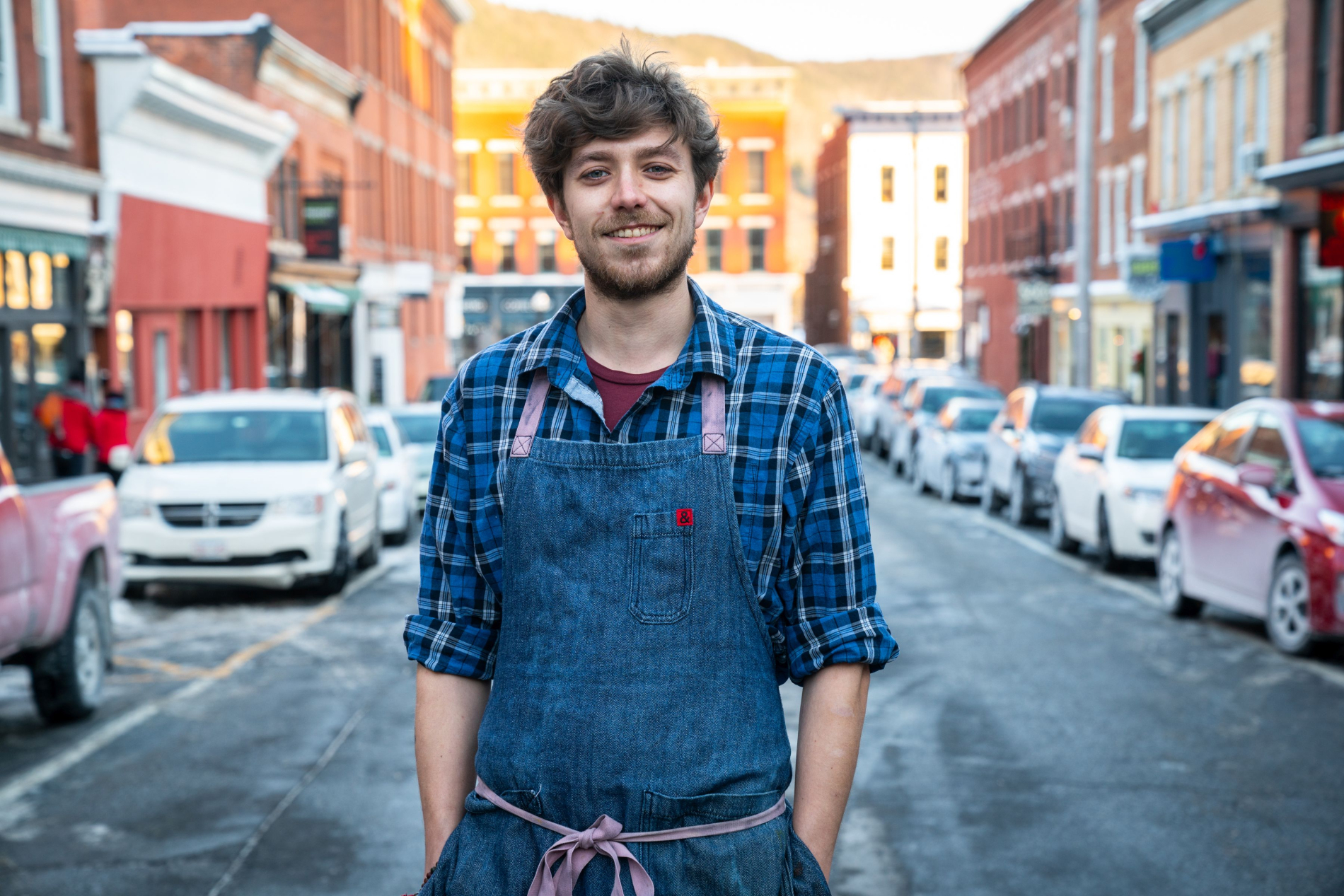
For me, it’s not a piece of equipment or money spent on promotion or design. I think the best investment is hiring a great crew, paying them fair rates, and paying them as quickly as I can for the work we did together, even if my client hasn’t paid me yet. On many projects, I couldn’t do it without them; we are working together as a team.
If you could give your younger self one piece of advice about the industry, what would it be?
Don’t stress about finding your “voice". A distinctive look will come naturally as you keep shooting and trying to produce quality work. I think I worried too much about copying the work of mentors. In the end, all my work melded naturally together into what I consider my "voice".
What kind of legacy do you hope to leave through your photography?
This might not be the answer you expect, but honestly, my ego is not involved in what I do. I’m not a fine art photographer. Many other photographers are making a bigger impact with their work. I’m perfectly happy to just create images that work for clients and fit their needs. Just this evening, I bumped into a couple whose wedding I shot many years ago. I’ve done some weddings over the years, and they are always a challenge! It was so nice to hear from this couple that they (and their parents, who were with them) loved the images, and that I had given them a perfect document of that event. I met their three-year-old daughter! I was happy that those photos would be part of that family history.
You’ve been a longtime client with us. How has Production Paradise helped elevate your visibility?
As a young assistant working for big ad photographers in New York City during the 90s and early 2000s, the business was all about these heavy, massive sourcebooks that photographers would pay to be in. These "bibles" of photographers' work would be sent out all over creation to connect clients with creatives. As I started my own career, the digital age began, and the dependence on those publications began to shift. Production Paradise was an alternative to all those heavy books shipped around the world. I think my consistent presence in Production Paradise, and the partnership we have built over the years, have provided me with a valuable platform for showing my work and evolution.
Thank you, Peter, for sharing your story and creative approach with us. Discover more of his work on his Production Paradise member page and website.