Per Norberg’s journey into automotive photography began in front of the camera. After moving from Sweden to Milan in his early twenties to pursue modelling, he worked alongside leading fashion photographers before discovering his place behind the lens. Combining his fashion background with a lifelong passion for cars and design, Per has developed a distinctive approach to automotive lifestyle photography, where styling, casting and atmosphere are as important as the car itself.
In this interview Per discusses how modelling shaped his approach to directing and working with talent, the thinking behind his 2026 Spotlight Award-winning image with Dejan Sokolovski, his memorable Maserati campaign, and his views on AI, creativity and the future of production.
You’ve worked closely with the fashion world and have brought that sensibility into your automotive work. What elements of fashion do you find yourself bringing into your car photography?
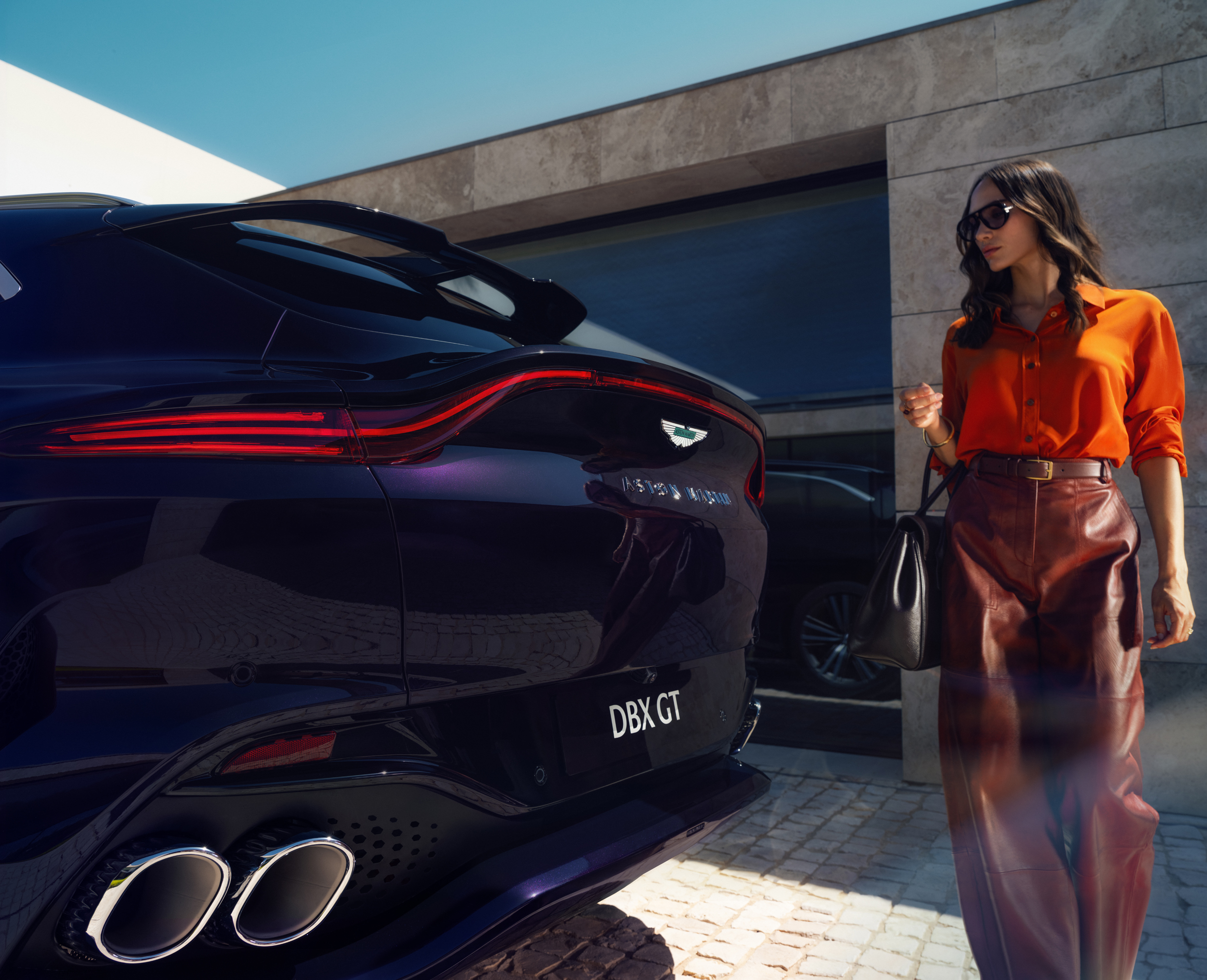
Think of those perfume ads you walk past in the airport. It's just a face and a bottle. You have no idea what the fragrance actually smells like, but you want to be that person. Cars work the same way. A photo can't tell you how the engine sounds or how the seats feel, so what you're really selling is who you become behind the wheel. That's pure fashion thinking.
It starts with styling and wardrobe, which I'm a little obsessive about. I personally handle wardrobe prep and casting because the person next to the car matters just as much as the car itself in telling the story.
It also helps that I spent my twenties on the other side of the lens as a model. I know what it feels like to wonder what the photographer wants from you, so I put a lot of energy into direction and setting the vibe on set. When the talent feels it, the camera catches it.
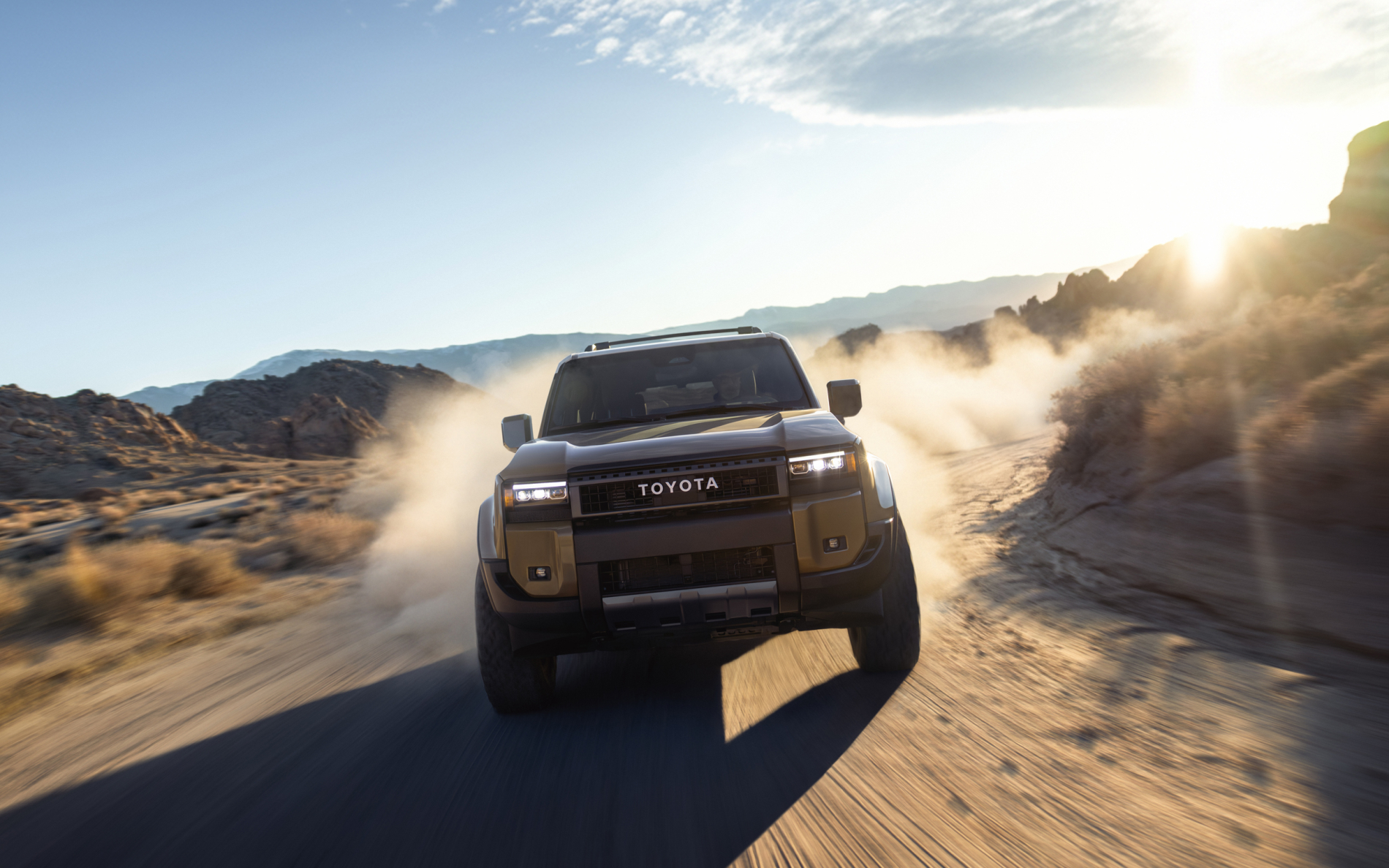
You have directed the Toyota Land Cruiser project. How does taking on the director role change the way you approach a project compared with working purely as a photographer?
Honestly, a lot of it stays the same. The eye for light, casting, wardrobe and mood all come with me. The big difference is where I'm standing.
As a photographer, I'm right in it, camera in hand. As a director, I hand that camera to someone else and take a step back. Instead of chasing the single perfect frame, I'm feeling out the whole scene: the rhythm, the energy, the story from start to finish.
Motion is a different kind of thrill. You're shooting for the cut, so it starts long before the set with storyboards and shot lists, all built around finding the right pace and a dynamic edit. Every shot has a job to do in the bigger story.
What do you think your experience in front of the camera taught you that you might not have learned by going straight into photography?
Being a model gave me a front-row seat to some of the best photographers in the business, and I was studying them the whole time. Not just their lighting, but how they ran a set, built rapport and stayed calm when things went sideways.
The great ones reminded me of a quarterback. Everyone on set is elite talent, but someone has to hold the vision and call the play. Watching that up close taught me that leading a set is as much about people as it is about pictures.
What was it about photography that ultimately drew you in, and away from modeling?
I was always a creative kid first. Painting, drawing, sketching, playing music. So let's put it this way: modeling isn't exactly a creative outlet. I spent a lot of time on set watching the people on the other side of the lens, and that's where I realised I wanted to be.
The word "photography" literally means drawing with light. For someone who grew up with a sketchbook in hand, that clicked immediately. It was a way to keep making pictures, just with a camera instead.
As someone who works across both photography and directing, do you see AI as a creative tool, a threat to the industry, or a bit of both?
A bit of both, and I think anyone who says otherwise isn't being totally honest.
As a tool, it's exciting. It can speed up the early creative stages and help get an idea across before a camera is on set. But I'd be lying if I said it doesn't worry me. Budgets are always under pressure, and when a client can generate an image instead of producing one, some of the work, and some of the people who do it, will feel that first.
What AI can't do is stand on a set and make someone feel something. Casting the right face, styling them and directing a moment that feels true: that's human work, and I think it'll matter more, not less.
In automotive, there's also a practical reason real production isn't going away: legal claims. If you show a car doing something, the car has to actually do it. You can't fake capability.
What is one small detail on a shoot that you think can make a surprisingly big difference to the final image?
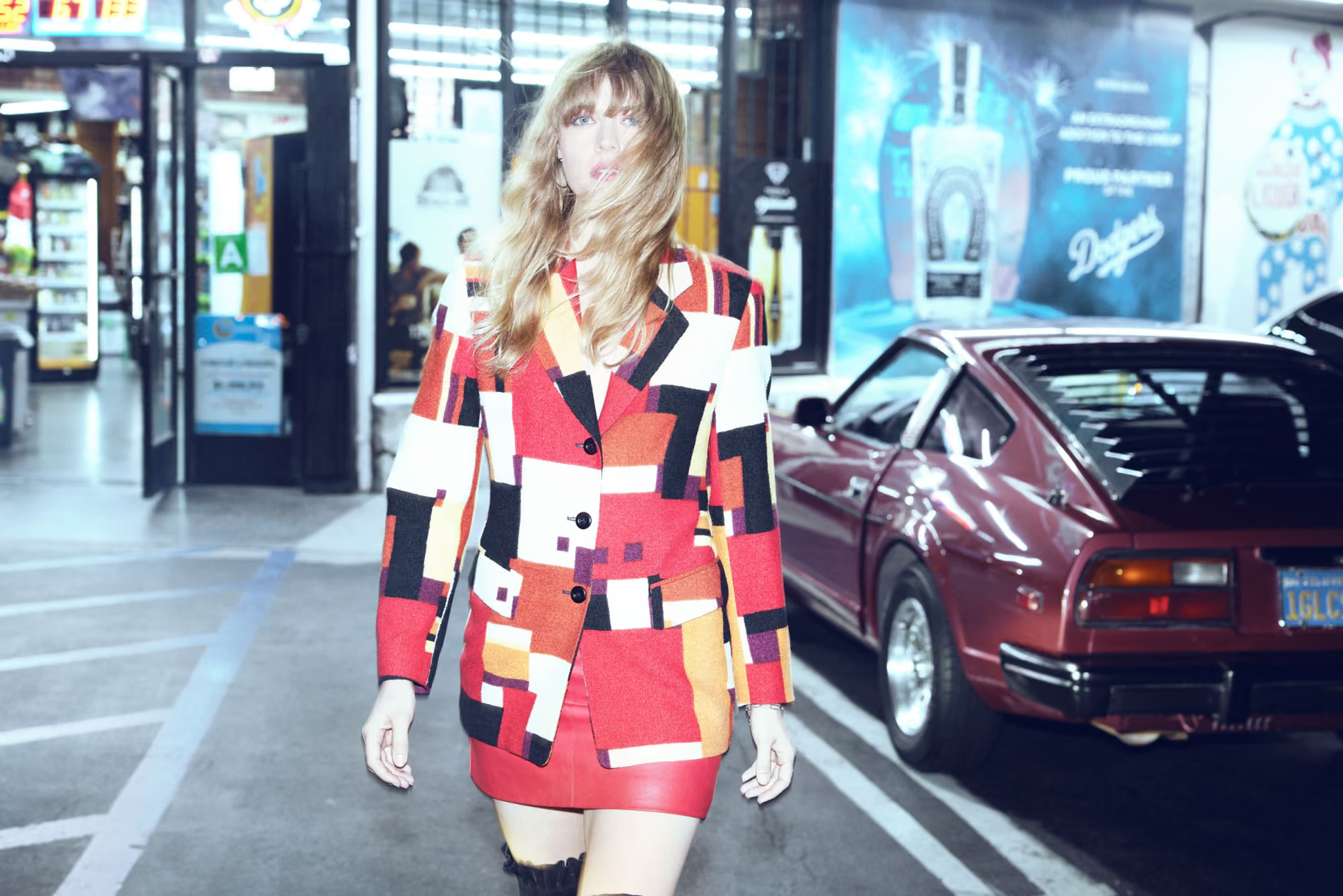
Hands. I'm a little obsessed with them, and that comes straight from my own days in front of the camera. My ground rule: never let the back of the hand face the camera flat. Rotate it so the palms face the legs and you see the edge of the hand instead. It's a tiny adjustment, but no one wants to look at huge hands in a photo.
Close runner-up is hair. Get the hair wrong and it doesn't matter how good everything else is. It'll ruin the shot every time.
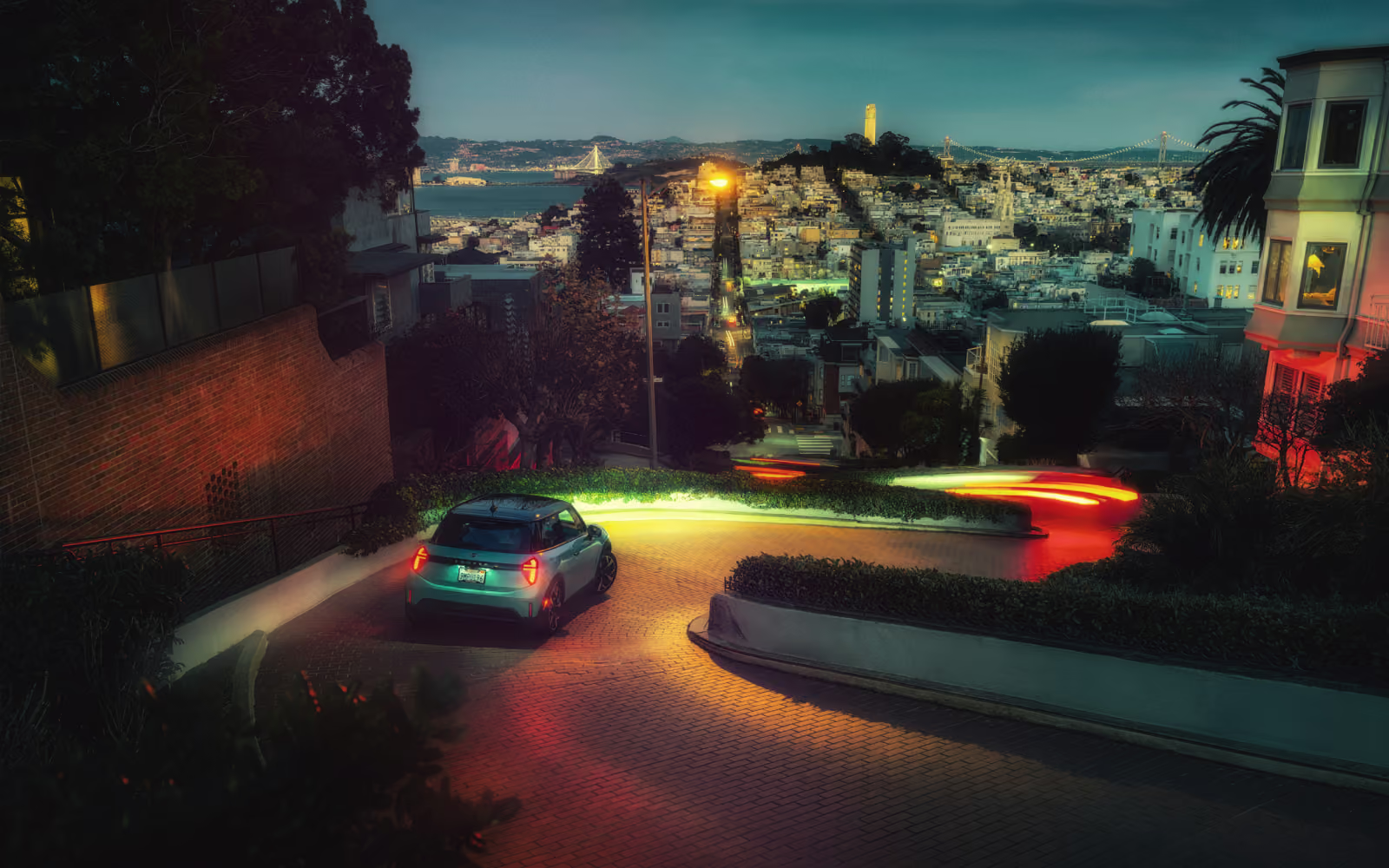
You recently won the Cars category at the 2026 Spotlight Awards with Dejan Sokolovski. Why do you think this image stood out?
I think it's the feeling. You look at it and you want to be in that car, on a late-night drive with the whole city glowing behind you.
The location does a lot of the work. Lombard Street is usually photographed in daylight and packed with tourists. At night it becomes something else entirely. And the car fits it perfectly. A MINI is small, playful and nimble, and Lombard is nothing but tight turns. It's like the street was built for it.
Then Dejan worked his magic in post. We spent a lot of time finding the right colour treatment, which is funny because the final image isn't all that different from what came straight out of camera. Sometimes the hardest part is knowing how little to do.
What is the best piece of creative advice you’ve ever been given?
It's a funny one. Early in my career I went to a lighting masterclass with a very famous fashion photographer. At the end, I asked if he had any other advice for a young, aspiring fashion photographer. He thought about it and said, "Keep the camera at crotch height and you'll be fine."
It sounds like a joke, but it's crazy how well that simple advice works. A lower angle lengthens the legs and gives the subject presence, which is why it's so powerful in fashion. And it carries straight over to cars. Look at me on most car shoots and I'm down on one knee or have the tripod set low. It gives the car a stronger, more heroic stance.
What is one project or shoot, if any, that you still think about years later?
Without a doubt, the Maserati brand campaign we shot in 2019. It was an incredible experience from start to finish.
These days most shoots last two or three days. This one took two months. We scouted iconic locations across Italy and Portugal, then did the whole trip again to shoot the scenes we'd picked. We were shooting the full lineup of cars, so we needed a lot of locations.
It was also a rare direct-to-client job, with no ad agency in between. We were much more involved in the creative process, shaping the campaign together with the brand rather than executing someone else's vision.
Then, just months later, the pandemic hit. It was surreal to go from two months chasing cars across Europe to being stuck at home. Maybe that's part of why it still feels so special. It was the last great road trip before the world stopped.
Is there a particular car you’ve photographed that was especially exciting to work with from a creative perspective?
The Polestar 6 concept. A two-seat electric roadster with the top down and a design that stops you in your tracks. Honestly, it's the coolest car I've ever shot, and sadly it hasn't made it into production. Yet. Fingers crossed.
Outside of photography and directing, what is influencing your creative eye?
Travel, and especially hotels. If I could do it all over again, I'd probably be an architect. Architects are incredible at planning angles and surfaces and letting light and shadow play across them, which is really what photography is about too.
Interior design inspires me as well, particularly through colour combinations and textures. A great hotel is where both come together, and I'm lucky that work takes me to so many of them. I come home inspired every time.
Do you prefer having a very clear brief to work from, or being given more freedom to interpret an idea?
Honestly, I love both, for different reasons. I'm a real team player, so it's incredibly rewarding to work with a seasoned creative director who has a strong, unique vision, and then bring my own interpretation to it through the lens.
But at heart I'm an intuitive shooter. I'm happiest on location, with all its unknowns: the light changing, the weather turning, something unexpected happening in the background. That's where the magic tends to happen for me. In that way, I prefer more freedom.
What part of your job would you miss most if you stopped taking photographs tomorrow?
Creating. I'm in my mid-forties, but I'm still curious about life every single day, and I'd like to think I always will be. Who knows if I'll be a photographer forever, but I know I'll always be making something.
If I put the camera down tomorrow, I'd miss that creative output the most. And the travel would be a close second.
What benefits do you get from being a member of Production Paradise?
Visibility, first and foremost. Marketing yourself as an automotive photographer is tough. How do you get your work in front of art producers and art directors all over the world? Production Paradise has built a strong following over the years, and it's a great place to be seen by the right people in the industry. I can't point to exact numbers or a clear ROI, but I know it's somewhere my work needs to be.
We’re grateful to Per Norberg for sharing his perspective on fashion, cars, creativity and the stories behind his work. View his member page to see more of his work.
If you enjoyed this interview, discover more stories from our talented members here.