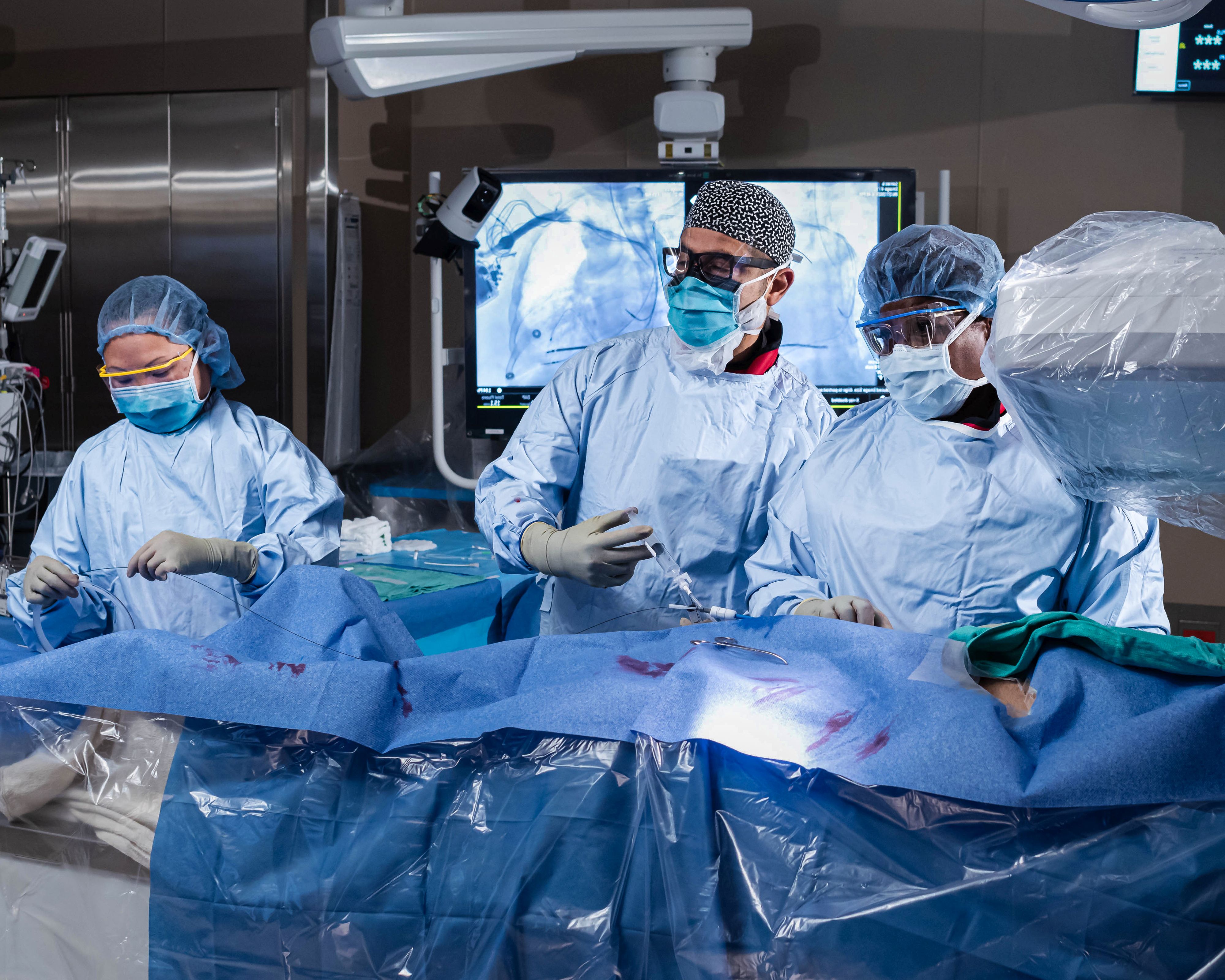
Houston-based Producer/Director and Photographer Douglas N Burns has spent decades crafting visual stories through photography and film. As the force behind DNB Productions, he brings together technical expertise, production experience, and a filmmaker’s instinct for mood, light, and narrative. In this interview, he shares how his career evolved, what continues to inspire his process, and how he approaches creating images that feel both intentional and emotionally resonant.
Your career in visual storytelling began back in college. What first drew you to photography and moving images, and what made you realise this was the path you wanted to pursue professionally?
Yeah, I got started in college, technically. Like a lot of college students, I jumped around a couple of different degree paths, but photography has always been there.
As a kid, my parents subscribed to National Geographic, Newsweek, Time, and Life. I was always going through those magazines, looking at the photos and being fascinated by the work. That hasn’t changed. I still get pulled in by a really strong photograph, especially something I haven’t seen before or something photographed in a way I haven’t seen before.
It was a friend in college who suggested I seriously look at becoming a professional creative instead of continuing down the academic path I was originally headed on. My first job out of school was working with a local NBC affiliate as a photographer and storyteller. From there, it’s just something that’s always been there and always been a part of my life.

You’ve worked across photography, directing, cinematography, and production. How have these different roles shaped the way you approach a project today?
Coming out of school, I thought I wanted to be the next Steven Spielberg. I was really drawn to filmmaking, and I tried to do what I could to move in that direction. At the same time, I still needed to earn a living, and video and television production seemed like an easy way to do that.
A lot of the changes in my career, a lot of the twists and turns, have been by accident, by happenstance, and by circumstance, but they’ve all informed where I am today.
Because of that path, I’ve had the opportunity to work with a variety of people from a variety of backgrounds, both within the visual arts and in business and industry. I think that exposure, more than anything else, is what led me down the path I’m on today and what gets me excited behind the lens.
I still think like a filmmaker when I pick up a still camera. I still think like a cinematographer when composing a scene and figuring out how to light a subject. It’s pretty obvious in the way I like to work.
When I look at my photographs, I see classic film scenes. I don’t necessarily see photography all the time. So the challenge becomes, how do I translate that background and that experience into something that works for what I’m trying to do.

You describe light as a central storytelling element in your work. When did that fascination begin, and how has your relationship with light evolved over the years?
It’s an interesting thing. The more I study it, the more interested I get in it. The more time I spend with how it shapes the world we see, the more fascinated I get with it.
Obviously, everything we do as photographers is related to how light shapes a scene, but you could take the same scene and light it 16 different ways and end up with 16 different moods and 16 different feelings. I just find that interesting.
I think I’ve always watched how light shapes the world we live in. And I’m not necessarily talking about landscape, where you’re dealing with the sun and clouds and time of day, things you can’t control. On a set, whether that’s in your kitchen, on a factory floor, or in an office, you can control how that light moves through the environment and how it shapes the story you’re trying to tell.
It’s not something that just showed up one day. Light is a language that I’ve had to learn, and I continue to study it and learn from it. I don’t think you ever truly master it.
Sometimes I’m very aware of it, and sometimes it’s more instinctive. I’ll think about what I’m trying to say and then build a lighting approach that matches that vision, or, if I’m working with available light, frame things in a way that lets the light carry the story. Even when I’m just out with a camera, I’m still watching where the light is coming from and how it moves across a scene. If the light isn’t right, I won’t photograph it.
Your work spans both stills and motion. Do you approach storytelling differently depending on the medium, or do both come from the same creative instinct?
I think you have to approach it differently. In motion, whether that’s video, cinema, or any kind of motion picture storytelling, you’ve got time. You’re telling a story over time, you’re telling it with sequences. Even if the composition doesn’t change, every frame is slightly different from the one before and the one after it just because time has passed. So you’re constantly working with time as an element of your storytelling.
In still photography, you’re working with a single moment. That moment might be very quick, a fraction of a second, or it could stretch out over a couple of seconds or even minutes depending on the exposure, but it’s still one frame. You’re not working with multiple frames in sequence.
So you have to approach it differently. I will admit that I prefer still photography at this point. I enjoy finding those moments in time and crafting them. Earlier in my career, telling a story over time, like you do in motion, was more attractive, but that may just be a function of where I am now.
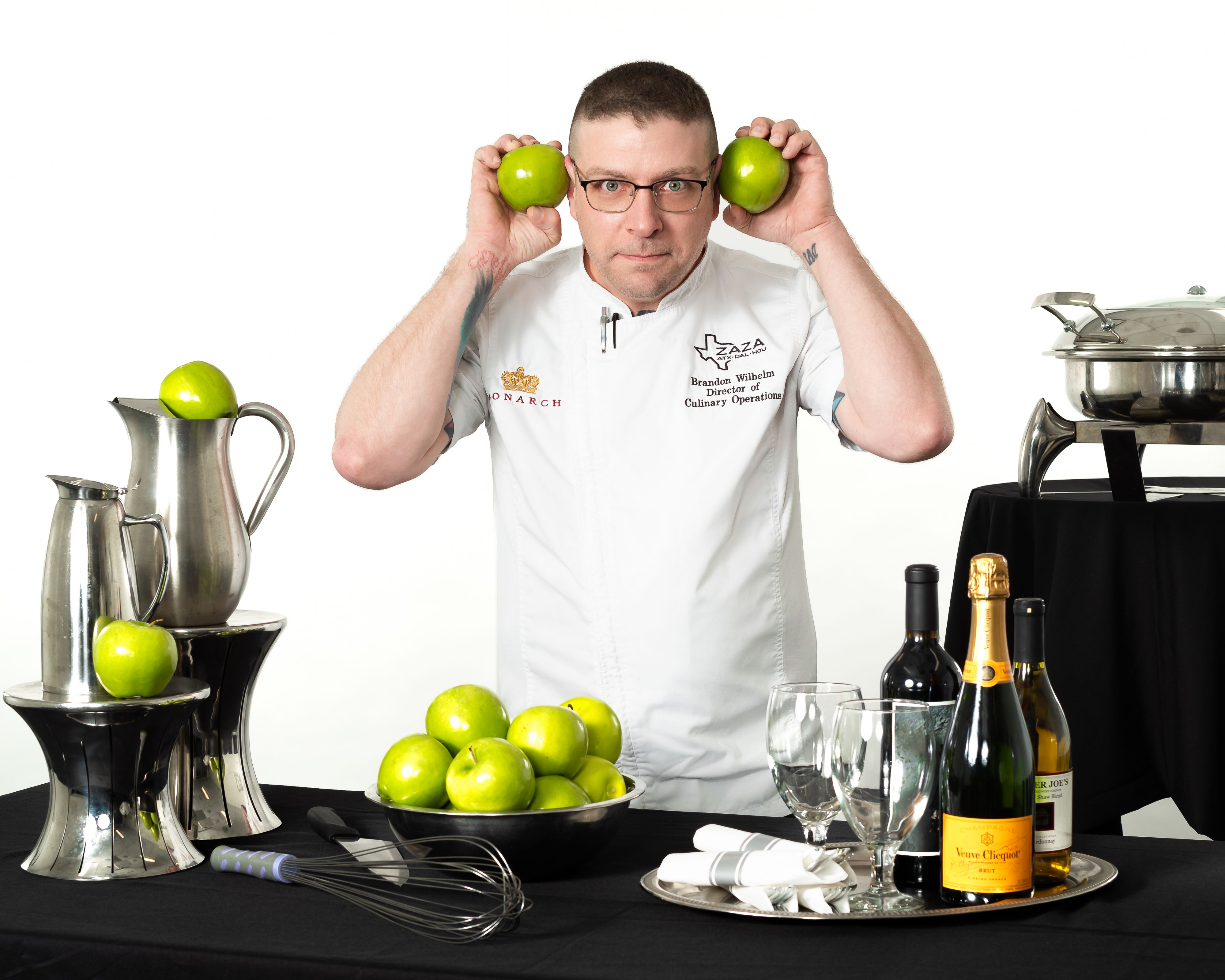
As the driving force behind DNB Productions in Houston, how do you balance the creative side of a shoot with the practical demands of production?
I try to keep the client’s needs at the front of my mind at all times. At the end of the day, I’m working for a client, and whatever I’m producing has to fulfill their needs and their business goals. Sometimes that comes down to budget and time constraints, and you have to work within those. You don’t always have the freedom to sit and explore as much as you’d like, so you have to get the work, get it done, and move on to the next shot.
My goal with every shoot is to serve the client. At the end of the day, I want to make sure I’m creating work that they can actually use to communicate their message to their audience.
What are the biggest challenges in delivering strong visual storytelling today, especially in such a fast-moving production landscape?
I think one of the biggest challenges is having a point of view, or more specifically, helping the client have a point of view.
A lot of the time, clients don’t really know what they want to say or who they’re trying to say it to. Capturing images is relatively easy, but if you don’t know what the message is or who the audience is, creating visuals that support that message becomes much harder.
So a big part of what I do is helping clients figure out what they’re trying to say and who they’re trying to say it to. Once that’s defined, everything else becomes a lot easier.
When you begin a new project, what usually comes first for you, concept, mood, light, narrative, or something else entirely?
If I’m working on a project for myself, the first thing I’m usually thinking about is mood, sometimes concept. Once I know what I want to say or what I want the viewer to feel or see, I can back into the light. I’ll design lighting based on the narrative. The narrative drives the decisions, and the light supports that direction.
Sometimes the narrative comes first, but more often than not, I’m thinking about feeling and mood in my personal work.
When I’m working with clients, the narrative always comes first. Everything else is defined by that.
Looking back across the decades, what has changed most in the industry, and what do you feel has remained constant at the heart of great image-making?
Yeah, my career got started back in the days of shooting on film, so craft was always first. Craft was always at the front of everything we did early on. Technology didn’t really drive that. Nowadays, everybody talks about technology and how quickly it changes. Camera manufacturers are putting out new models constantly, and I get it, they have to sell gear to stay in business.
And as much as I enjoy the gear, and let’s face it, most photographers do, it’s not the gear that tells the story.
I’ve said this for years: the camera doesn’t make the picture. A hammer doesn’t build a house, a carpenter does. A wrench doesn’t make a plumber. A camera doesn’t make a photographer. At the end of the day, all of it is just tools. So I always come back to craft. What can I do with the tools I have, and how can I use them to serve the client, whether that client is someone paying me or the client is myself.
How has being based in Houston shaped your work, your network, or the kinds of productions you take on?
There’s no question Houston has shaped my work and my career. I’ve spent my entire career here. I grew up here. It wasn’t necessarily my plan to build a career here, but that’s what happened. I never went to either coast or to Chicago to try to break into the industry.
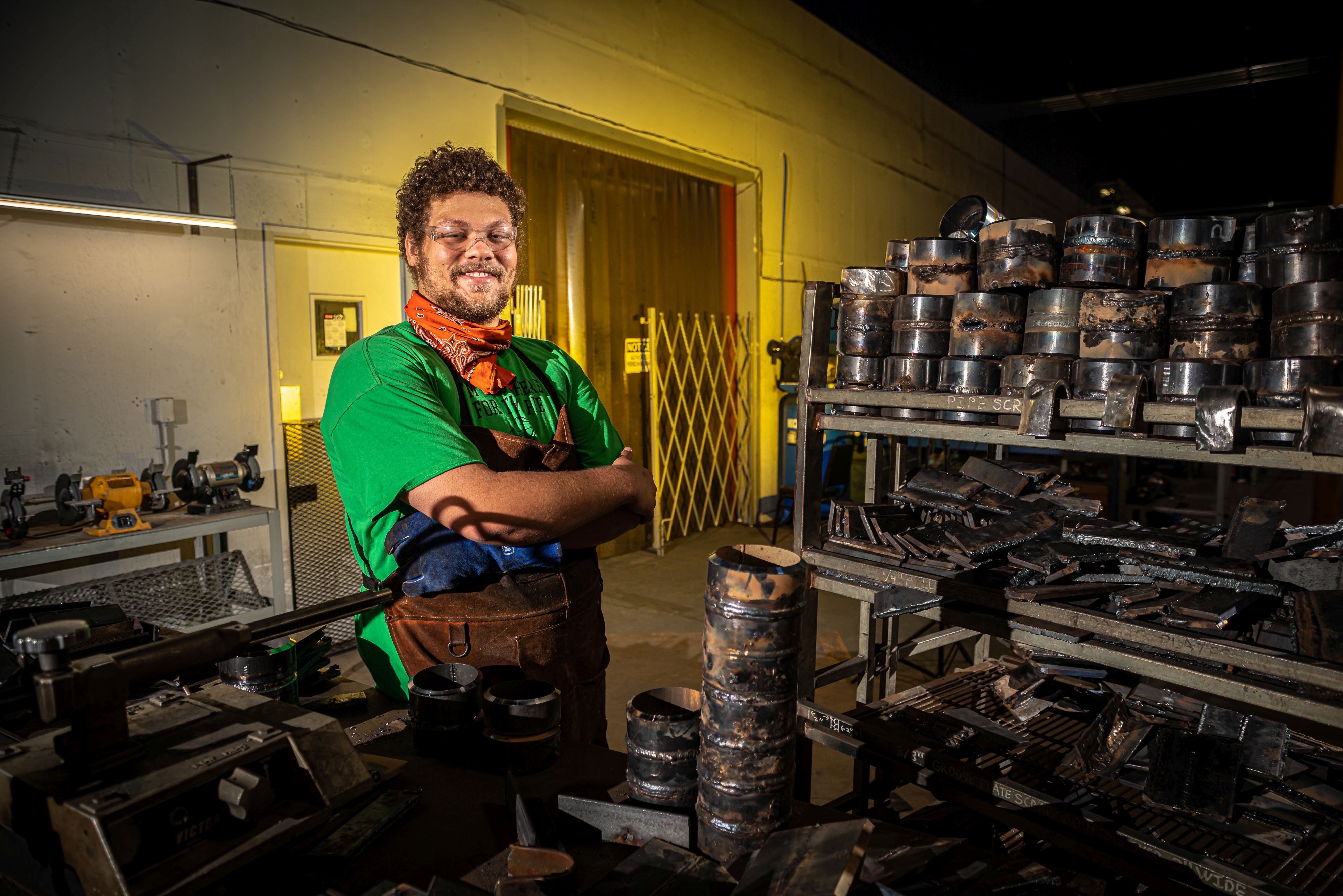
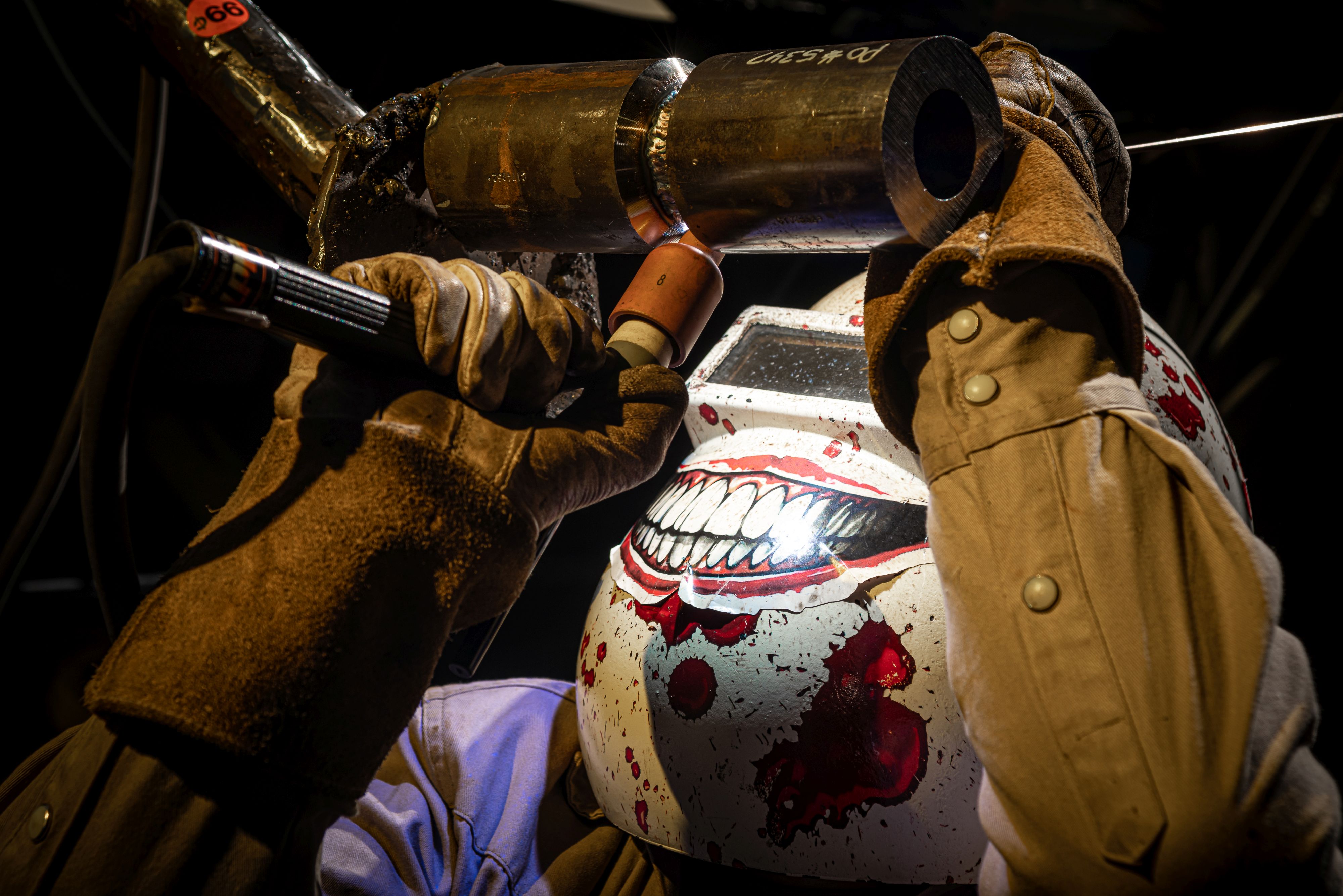
Being surrounded by corporate storytelling and industry my entire life has absolutely influenced my work. Houston is one of the largest cities in the country. It’s very international, very diverse, and I think because it’s not New York or LA, it has a different feel to it. That shows up in the people you meet and the work you do. I think that’s part of why I’m drawn to working with real, everyday people, especially people who sweat for a living.
For younger photographers, directors, or producers hoping to build a long-term career in visual storytelling, what advice would you give them?
I’ll be honest, I didn’t listen to the advice I was given early in my career, and it’s probably the same advice I would give now.
If you can be happy doing something else, go do that. Almost anything is easier than working as a full-time creative. That said, it’s easier than ever to create today. The tools are more accessible, and the means of distribution are right there for anyone who wants to use them.
The challenge now is that the marketplace is less defined, and it’s harder to find your way through it.
If you’re passionate about it, have fun with it first. Figure out how to make a living from it second. In the meantime, support yourself however you need to. If you’re truly creative, you’ll find a way to keep doing the work no matter what.
What kind of projects do you typically attract through your listing on Production Paradise, and how has this platform helped you reach more potential clients?
The vast majority of the work that I do right now comes from direct relationships, referrals, and working with past clients and other partnerships that I’ve built.
Production Paradise is something I use more as a longer-term visibility option, a long-term visibility play. I like being able to use it to show potential clients and producers my work.
Currently, I’m focused on more corporate, commercial work and some event-based production, and those tend to be relationship-driven. So the value of any platform right now is really about showcasing credibility over time.
We want to thanks Douglas, for giving us a closer look into hisworld, where narrative, light, and intention come together in every image. For more of his work you can view his member page.
Enjoyed this interview? Discover more inspiring conversations with our members here.